





New Delhi: India's retail inflation increased to 3.93 per cent in May on a year-on-year basis, up from 3.48 per cent recorded in April, driven largely by rising food and fuel prices, according to the latest inflation data.
The increase marks a reversal from the moderation seen in previous months and highlights the impact of higher prices of essential commodities and fuel on household budgets. Economists and policymakers are closely monitoring inflation trends as global energy costs continue to influence domestic prices.
The rise in retail inflation comes shortly after the Reserve Bank of India (RBI) revised its inflation outlook for the current financial year, citing growing pressure from higher input costs and fuel prices.
Food inflation records an uptick
Food inflation climbed to 4.78 per cent in May from 4.2 per cent in April, contributing significantly to the increase in the overall Consumer Price Index (CPI).
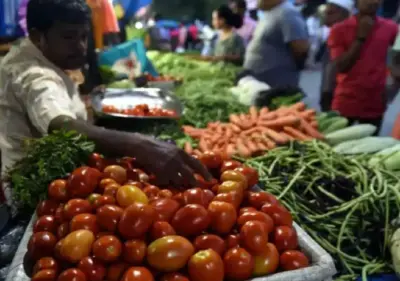
Data showed that several food and commodity items witnessed substantial price increases during the month. Among the products recording the highest inflation were precious metal jewellery, tomato, ginger, raisin (kishmish) and monacca.
The rise in vegetable and food commodity prices has been a recurring concern for consumers, as fluctuations in supply, transportation costs and seasonal factors continue to affect retail markets.
Analysts note that food inflation remains one of the most important components of overall inflation in India, given its significant share in household expenditure, particularly among lower and middle-income families.
Fuel prices continue to impact inflation
Another major contributor to inflationary pressure has been the increase in fuel prices. Rising global energy costs have translated into higher domestic fuel prices, affecting transportation and logistics expenses across sectors.
According to the RBI, retail fuel prices have increased cumulatively by 7.4 per cent for petrol and 8.4 per cent for diesel since May. These increases have had a direct impact on headline inflation and are expected to influence consumer prices further in the coming months.
Higher fuel costs not only affect motorists directly but also increase the cost of transporting goods, leading to higher prices for a wide range of products and services.
Economists warn that sustained increases in fuel prices could create second-round inflationary effects, making it more challenging to contain overall price pressures.
RBI revises inflation forecast upward
Last week, the Reserve Bank of India revised its inflation forecast for the current fiscal year to 5.1 per cent from the earlier estimate of 4.6 per cent.
The central bank attributed the revision largely to rising global energy prices and increasing input costs across industries. In its monetary policy statement, the RBI highlighted that higher petrol and diesel prices could have a direct impact of around 36 basis points on headline inflation.
The RBI also noted that indirect or second-order effects stemming from fuel price increases are likely to be reflected in CPI inflation over the coming months.
While inflation remains below the central bank’s upper tolerance limit, policymakers continue to monitor developments closely to ensure that price pressures do not become entrenched.
Impact on consumers and the economy
For consumers, rising inflation translates into higher spending on everyday necessities, including food, transportation and household items. The increase in food and fuel prices is particularly significant because these categories account for a large share of monthly household expenditure.
Businesses are also facing higher operating costs due to increased transportation and input expenses. Many sectors may eventually pass on some of these costs to consumers, further influencing inflation trends.
Despite the recent rise, India’s inflation remains relatively moderate compared to several major economies that have grappled with elevated price pressures in recent years. However, global geopolitical developments and energy market volatility remain key risks for the inflation outlook.
Outlook for the coming months
The trajectory of inflation in the coming months will depend largely on food prices, monsoon performance, global crude oil prices and domestic fuel costs. Any further rise in energy prices could add pressure on inflation, while improved agricultural output may help moderate food prices.
The RBI is expected to continue assessing inflation data carefully as it balances price stability with economic growth objectives.
With food and fuel costs remaining critical drivers, inflation trends will continue to be closely watched by policymakers, businesses and consumers alike as the financial year progresses.