




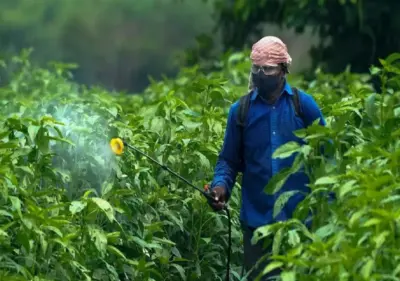

New Delhi: Concerns have been raised over India's food safety regulations after reports highlighted the country's decision to permit higher levels of glyphosate residues in imported pulses and soybeans, despite restrictions on the herbicide's use in several domestic agricultural applications.
The debate has reignited discussions about food safety standards, public health, international trade obligations and the monitoring of pesticide residues in food consumed by millions of Indians every day.
Focus on glyphosate residue limits
Glyphosate, one of the world’s most widely used herbicides, has been at the centre of scientific and regulatory debates for years. The chemical was classified as a “probable carcinogen” by the International Agency for Research on Cancer in 2015, although other regulatory agencies in different countries have reached varying conclusions regarding its safety when used according to approved guidelines.
Under India’s food safety framework, pesticides without a specified Maximum Residue Limit (MRL) are generally subject to a default limit of 0.01 mg/kg. However, glyphosate is among the substances for which specific residue limits have been adopted.
India currently follows residue standards recommended by the Codex Alimentarius Commission for certain imported commodities. These standards permit glyphosate residues of up to 5 mg/kg in lentils and peas and up to 20 mg/kg in soybeans.
Regulatory concerns highlighted
Documents reportedly linked to the import division of the Food Safety and Standards Authority of India (FSSAI) have drawn attention to concerns regarding glyphosate residues in imported pulses.
Critics argue that allowing higher residue levels in imports while restricting certain domestic uses of glyphosate creates a regulatory inconsistency. They question whether consumers are receiving the same level of protection applied to domestically produced food.
Supporters of the current framework contend that residue limits are based on internationally accepted standards and scientific risk assessments used by multiple countries.
Glyphosate use in India
According to regulations issued by the Central Insecticides Board and Registration Committee, glyphosate is approved for use in specific situations, including tea plantations and certain non-crop areas for weed management.
However, agricultural experts have repeatedly raised concerns about unauthorised use of the herbicide in crops where it is not approved. Reports from several states have suggested instances of misuse in crops such as cotton, sugarcane, maize and horticultural plantations.
Experts note that illegal or unregulated use can contribute to pesticide residues entering the food chain.
Trade and food safety debate
The issue has also highlighted broader questions regarding international trade standards.
Several countries, particularly in the European Union, apply stringent pesticide residue limits to agricultural imports and regularly test consignments from exporting nations, including India. Shipments exceeding permitted limits may face rejection or additional scrutiny.
Critics argue that India should apply similarly strict standards to imported food products, particularly when concerns exist regarding long-term exposure to pesticide residues.
Others maintain that international trade requires harmonisation with globally recognised standards and that adherence to Codex guidelines facilitates trade while ensuring acceptable levels of consumer protection.
Scientific debate continues
The health effects of glyphosate remain the subject of ongoing scientific discussion worldwide.
While the International Agency for Research on Cancer classified glyphosate as a probable carcinogen, several regulatory agencies, including those in the United States, Canada and Australia, have concluded that the chemical is unlikely to pose a cancer risk when used in accordance with approved instructions.
At the same time, researchers continue to study potential links between long-term glyphosate exposure and various health conditions, including cancer, kidney disease and reproductive health concerns.
As a result, the herbicide remains under close scrutiny from scientists, regulators and public health advocates.
Monitoring and enforcement challenges
Experts have also pointed to challenges in monitoring pesticide residues within India’s domestic food supply chain.
Although programmes such as the National Pesticide Residue Monitoring Scheme are in place, concerns have been raised regarding the frequency and scope of testing conducted in retail markets.
Consumer groups and food safety advocates argue that stronger surveillance systems, increased transparency and routine testing of food products could help build public confidence and improve enforcement.
They contend that effective monitoring is essential to ensure compliance with residue limits and protect public health.
Conclusion
The debate over glyphosate residue limits in imported pulses and soybeans has brought renewed attention to India’s food safety regulations and agricultural trade policies. While authorities emphasise the need to balance food security, trade commitments and scientific standards, critics continue to question whether existing safeguards adequately protect consumers. As discussions over pesticide regulation continue globally, the issue is likely to remain a significant topic in India’s food safety and public health discourse.
Questions raised over glyphosate limits in imported pulses and soybeans
#Glyphosate #FoodSafety #FSSAI #IndiaNews #NewsKarnataka