
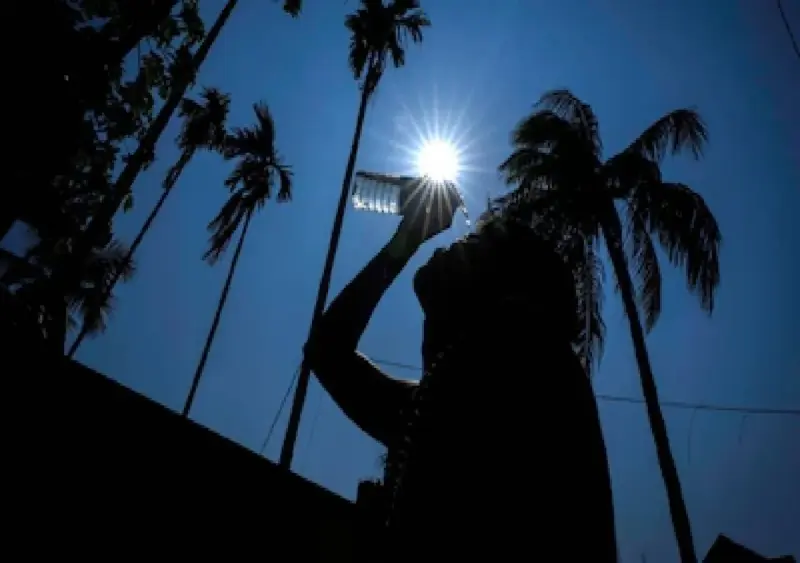

Bengaluru: Once known for its mild climate, the city is now experiencing harsher summers, with rising temperatures and uncomfortable heat becoming increasingly common.
Experts warn that the situation could worsen in the coming weeks, with climate patterns and rapid urbanisation playing a key role.
One of the primary reasons behind Bengaluru's rising heat is rapid urban development. Expansion of concrete infrastructure, reduction in green cover, and large-scale tree felling have significantly altered the city's microclimate.
The replacement of Bruhat Bengaluru Mahanagara Palike (BBMP) with the Greater Bengaluru Authority (GBA) has also coincided with expansion of the city's limits, intensifying the 'urban heat island' effect — where built-up areas trap heat and raise local temperatures.
Climate experts point to El Niño as a major contributing factor this year. The phenomenon, caused by warming of Pacific Ocean waters, leads to higher global temperatures and altered weather patterns.
As atmospheric temperatures rise, cities like Bengaluru experience prolonged heat spells and reduced cooling effects. Experts note that gradual annual temperature increases are now compounding into more extreme seasonal heat.
Bengaluru typically receives around 950 mm of annual rainfall. However, El Niño conditions could reduce this by at least 10%, affecting both water availability and agricultural patterns.
The Cauvery River catchment area, which supplies much of the city's drinking water, may also see lower rainfall. This could lead to declining reservoir levels and increased dependence on groundwater.
At the same time, experts warn of unpredictable weather patterns, including sudden heavy rainfall, which could increase the risk of urban flooding.
Temperatures in Bengaluru could cross 38°C during peak summer, significantly higher than the city's traditionally moderate climate. The heat is also being felt earlier in the day, with mornings turning warmer and reducing relief for residents.
Such conditions increase the risk of heat-related illnesses, particularly for vulnerable groups such as children, the elderly, and outdoor workers.
Doctors recommend staying well-hydrated, advising individuals to consume at least 3 litres of water daily to prevent dehydration and heatstroke.
Traditional cooling drinks such as lemon sherbet and salted buttermilk are encouraged, while junk food, carbonated beverages, and spicy meals should be avoided.
Clothing choices can also help manage the heat. Experts suggest wearing light-coloured outfits such as peach or yellow instead of darker shades like black, which absorb more heat. Loose and layered clothing can provide better protection from direct sunlight.
Bengaluru's rising temperatures reflect a combination of climate change and urban expansion. With forecasts indicating even hotter days ahead, the focus is shifting to both immediate precautions and long-term sustainable planning to restore balance between development and the environment.