

Pakistan is trying to present itself as a peacemaker on the global stage. Despite its past links with terrorism, it is now playing a role in mediating a ceasefire between Iran and the United States.
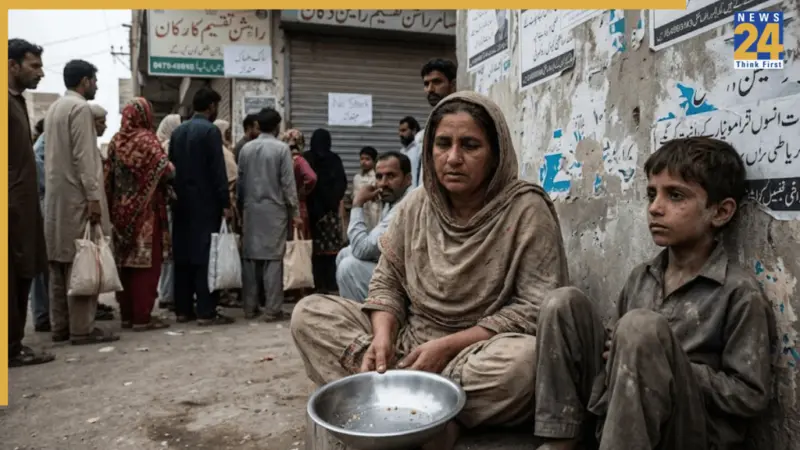
However, visiting delegations in Islamabad may also notice the country's struggling living conditions.
Poverty Becomes Structural Problem
A recent report highlights that poverty in Pakistan is no longer temporary but has become structural. Ordinary citizens are paying the price for years of policy mistakes. According to data from the Ministry of Planning, Development and Special Initiatives, around 50 million people were below the poverty line in 2018, rising to nearly 70 million by 2024.
Rising Costs Changing Everyday Life
The report states that electricity tariffs have sharply increased from around Rs 11 per unit in 2018 to nearly Rs 50 per unit now. This is seen as a major structural shock. Expensive electricity has raised food prices, reduced real incomes, hurt industries, and forced many small businesses to shut down.
Families Cutting Basic Expenses
Higher electricity bills have deeply affected daily life. Families are now struggling to afford basic needs like food, education, and healthcare. Many are forced to reduce spending on essentials due to rising costs.
Diet and Education Take a Hit
People are shifting from chicken to cheaper food like lentils. Milk is being diluted, and fruit consumption has dropped. Many families are delaying school fees and medical treatment, while some children are even leaving school to work.
Policy Failures Behind Crisis
The report blames government energy policies for the situation. Expensive power projects and capacity charges have increased electricity costs, raising overall production costs and making goods more expensive.
Burden of Past Projects on Public
Examples like a 1995 power project and the 2017 China-Pakistan coal power project show how high costs and capacity payments have ultimately burdened the public. The report concludes that current electricity tariffs are not just the cost of power, but also the result of past policy errors. As a result, even Pakistan's middle class is rapidly slipping into poverty.