





Jain devotional music, long rooted in temple gatherings and community singing, has evolved over the decades from an oral tradition into a more widely accessible recorded form while retaining its cultural and spiritual essence.
For years, bhajans were shared primarily through live participation. Community mandals and temple groups played a central role, with compositions being passed down through repetition rather than formal documentation. This ensured continuity, even in the absence of written or recorded archives.
With the arrival of recording formats such as vinyl records, cassettes, and later CDs, devotional music began to reach a wider audience. What was once confined to local gatherings could now be played at home and circulated across regions. This shift also allowed for the preservation of compositions that might otherwise have remained limited to oral circulation.
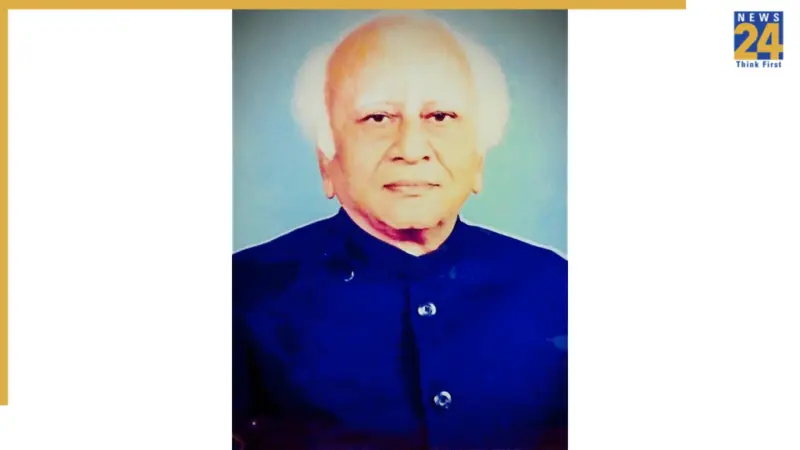
Contributors who were already active in devotional spaces became part of this transition. Among them was Shri Ghanshyam Dass Jain, whose work in Jain devotional music included composing, writing and performing bhajans centred on spiritual and philosophical themes.
His repertoire featured songs dedicated to Jain teachings and figures such as Lord Mahavira, along with compositions reflecting on broader life lessons. Tracks like Jiska Hum Japte Naam Sada and Suno Suno Ae Duniya Walo followed traditional narrative styles, while others such as Jayega Jab Yahan Se focused on ideas of impermanence and detachment.
Some of these works were included in recorded collections such as Jain Geeton Ki Jhankaar, which brought together devotional songs in album format and helped extend their reach beyond community gatherings. Such recordings contributed to making devotional content more accessible, particularly at a time when physical media was the primary mode of distribution.
Despite this shift, live bhajan singing continues to remain an important part of the tradition. In many cases, recorded music has complemented rather than replaced community practices, helping standardise lyrics and melodies while keeping participation central.
Jain devotional music has maintained its relevance not only through faith-based expression but also through its thematic depth. Many compositions address philosophical ideas related to life, self-reflection and detachment, allowing them to resonate across generations.
Today, while digital platforms have further expanded access to devotional music, the foundations of the tradition remain tied to community-led practices. The transition from oral transmission to recorded formats reflects both technological change and the role of contributors who helped carry these traditions forward in different forms.