




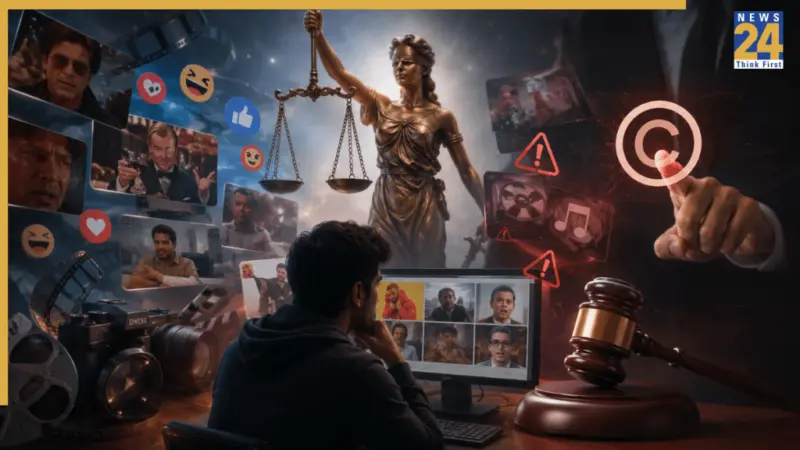

Memes have become the internet's universal language. From Bollywood movie scenes and celebrity interviews to viral reactions, meme pages thrive on repurposing existing content to entertain millions online.
But behind the humor lies a serious legal question: can meme pages face copyright claims in India? Since most memes rely on existing copyrighted material, they often operate in a legal grey area between parody and infringement.
The Law: Copyright Act, 1957
Under India's Copyright Act, 1957, creators enjoy exclusive rights over their work, films, music, photographs, videos, artwork, and written content. Section 51 of the Act states that unauthorized reproduction or communication of copyrighted material to the public may amount to infringement. A common misconception is that giving credit makes usage legal. It doesn't. In copyright law, permission matters more than attribution. Meme pages using movie stills, songs, or clips without authorization can face takedowns, strikes, or even legal notices.
Fair Dealing & Parody
Section 52 of the Act provides limited exceptions under the doctrine of fair dealing, including criticism, review, and reporting of current events. In certain cases, parody and satirical content may also seek protection under these principles. Meme creators often rely on this defense, arguing that their work is transformative commentary rather than direct copying. Indian courts have repeatedly observed that merely altering or reposting copyrighted material may not automatically protect a user from infringement claims. The line between parody and infringement remains thin, and context matters.
Global Trends & Indian Reality
Globally, photographers and content owners have sued meme pages and brands for unauthorized use of images in viral posts. In India, the entertainment industry has also acted against digital accounts. For instance, Bollywood studios like Yash Raj Films have issued takedown notices against meme pages using movie clips and songs without permission, and music labels such as T-Series have pursued copyright claims on social platforms. These examples highlight that meme culture is not immune from enforcement. Platforms like Instagram, YouTube, and Facebook enforce strict copyright rules, often removing content or restricting accounts after repeated complaints.
Risks for Creators
The risk is highest when entire clips, songs, or visuals are reposted without meaningful transformation. Commercially monetized meme pages, those earning through ads, collaborations, or sponsorships, attract greater scrutiny. With AI-generated edits and rapid repost culture, content circulates within minutes, often without users realizing the legal rights attached. Enforcement is becoming more aggressive, and ignorance of the law is no defense.
The Takeaway
Meme culture is central to online expression, but copyright law is no joke. Humor and creativity operate within legal boundaries. As India's digital ecosystem evolves, meme creators must tread carefully, because in the eyes of the law, in the digital world, virality does not guarantee immunity from copyright law.