
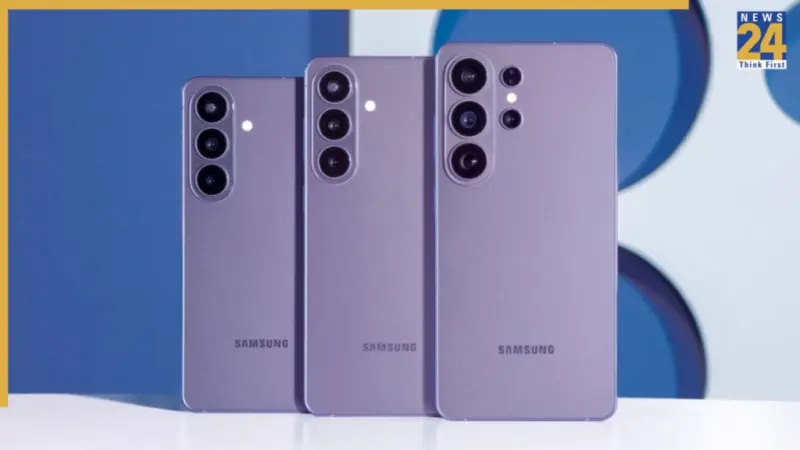

Samsung could be preparing one of its biggest design changes in years with the upcoming Samsung Galaxy S27. Early leaks suggest the company is exploring a refreshed camera layout along with upgrades to wireless charging, although nothing has been officially confirmed yet.
Camera redesign under consideration
For several generations, Samsung's Galaxy S lineup has followed a largely familiar camera design language. However, that could finally change with the Galaxy S27.
Reports indicate that Samsung is reviewing a new rear camera layout and internal structure, which may alter how the camera modules are arranged on the back. While details are still limited, this could mark the first major visual shift in the flagship series in years.
That said, the redesign is still under evaluation, so the final version may differ from current leaks.
Qi2 charging and magnetic accessories
One of the key reasons behind the possible redesign is Samsung's interest in magnetic wireless charging and accessories. The company is reportedly exploring support for the Qi2 wireless charging standard, which enables better alignment and efficiency using built-in magnets.
To accommodate these magnets internally, Samsung may need to rework the phone's internal layout, which could also impact camera placement and overall design.
Faster wireless charging expected
With Qi2 support, the Galaxy S27 could also offer faster and more efficient wireless charging compared to current models. This would bring Samsung closer to the ecosystem-style charging experience seen on other premium devices.
It could also open the door to new accessories such as magnetic chargers, wallets and stands.
Hardware upgrades and battery improvements
Beyond design changes, the Galaxy S27 is expected to feature internal upgrades as well. Reports suggest Samsung may introduce a silicon-carbon battery, which could improve battery life without increasing size.
There are also indications that UFS 5.0 storage may be used, although possibly limited to select variants due to rising component costs.
Cost challenges may impact plans
Rising prices of components like memory and storage are reportedly influencing Samsung's decisions. This could lead to delays or scaled-back changes, especially if the redesign significantly increases production costs.
As a result, Samsung may test the new design on another device before bringing it to the Galaxy S lineup.