




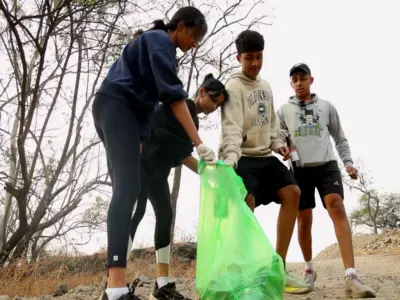

A significant transformation is occurring across Indian cities as citizens move beyond merely highlighting civic issues to actively addressing them.
From cleanliness campaigns in Patna to community-managed waste systems in Pune, a growing wave of civic engagement is reshaping urban life in India.
In Patna, youth-driven efforts are translating awareness into tangible results. Volunteer organisations such as the Being Helper Foundation regularly conduct cleanliness drives in public areas including Sanjay Gandhi Jaivik Udyan and Digha Ghat. Their activities extend beyond waste collection to educating local residents, especially children, and encouraging responsible behaviour.
Volunteer Shubham Kumar stated, “The government is doing its part, but we must also take responsibility. Instead of throwing waste in the open, we should dispose of it properly. A clean environment benefits everyone, especially local businesses.” One notable initiative is the “Bottle Bank,” which collects used plastic bottles for recycling, transforming potential litter into reusable material.
Visitors to the zoo also emphasised the importance of cleanliness. Neha Kumari said, “If we spread garbage, it can lead to diseases. A clean city means healthier people.”
In Pune, a community-led project named “Swachh Kalyani Nagar” has redefined waste management by combining fitness activities with civic responsibility, with residents picking up litter while jogging. Central to this effort is a Recycling and Reuse Centre that started by collecting electronic waste and now manages dry waste in close cooperation with the Pune Municipal Corporation.
Volunteer Anuj Chordia explained, “We segregate waste–plastic, glass, and other materials–and ensure proper disposal in coordination with civic authorities.” From an initial group of a few participants, the movement has expanded considerably.
Volunteer Surya Pawar said, “We began with 7-10 people. Today, thousands have joined us, and the movement is expanding across the country.” Weekly drives not only clean public spaces but also foster a sense of community and shared obligation among citizens.
These grassroots initiatives illustrate a broader shift in civic engagement, where civic sense is evolving from government policy and enforcement into a collective public movement. As demonstrated by efforts in Patna and Pune, substantial urban change often begins with small actions such as picking up litter, which can grow into impactful movements transforming cities.