




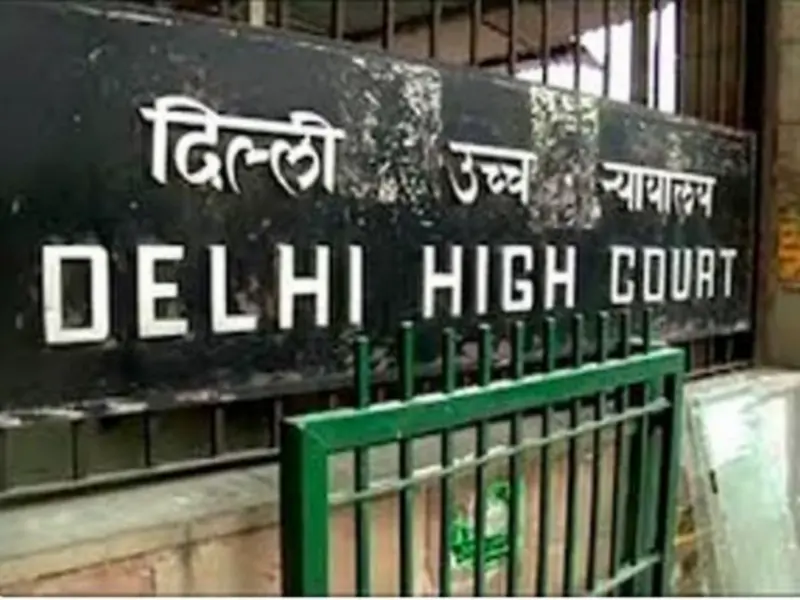

The Delhi High Court on January 31, 2026, issued notice to Himayani Puri, daughter of Union Minister Hardeep Singh Puri, regarding an application to vacate the interim injunction granted in her defamation suit linked to Jeffrey Epstein.
The hearing is scheduled for May 7.
Senior Advocate Vikas Singh, alongside Advocate Mayank Jain, representing defendant Kunal Shukla, an RTI activist from Chhattisgarh, argued that the injunction order contravened the Civil Procedure Code (CPC). They stated that the injunction was granted without prior notice to the opposite party, violating Order XXXIX Rule 3, and cited a Supreme Court judgment authored by Justice JB Pardiwala.
Justice Mini Pushkarna responded, “Let me issue notice. Let them file a reply,” requesting a response from Puri on the application under Order XXXIX Rule 4 to vacate the temporary injunction. Counsel further noted that despite prior statements indicating readiness to argue, the plaintiff had not filed a rejoinder. The court was reminded of the CPC obligation to decide injunction applications within 30 days.
The court fixed the matter for hearing at 2:30 PM on May 7, stating it would pass a “practical order” rather than conduct an academic hearing. Senior Advocate Mahesh Jethmalani appeared for Himayani Puri, and Advocate Varun Pathak represented Meta.
Previously, a Division Bench of the Delhi High Court, comprising Justices Vivek Chaudhary and Renu Bhatnagar, directed expedited consideration of Shukla’s plea challenging the interim takedown order and brought the hearing forward to January 31 before the Single Judge.
The appeal followed an ex parte order dated March 16 that directed intermediaries to remove or block access in India to content alleged to be defamatory and linking Himayani Puri to Jeffrey Epstein. Puri contended that a coordinated, malicious online campaign falsely connected her with Epstein and his criminal activities. At the initial stage, the Single Judge accepted her plea and granted an interim injunction for the immediate takedown of the content.
Shukla challenged the order, arguing that it imposed a pre-trial gag on free speech without prior notice or sufficient reasoning. He maintained that the content was based on publicly available material and raised concerns about a chilling effect on free speech and journalism.