

The Delhi government has announced plans to integrate Guru Teg Bahadur Hospital, Delhi State Cancer Institute, and Rajiv Gandhi Super Speciality Hospital into a single autonomous institution modelled on the All India Institute of Medical Science (AIIMS).
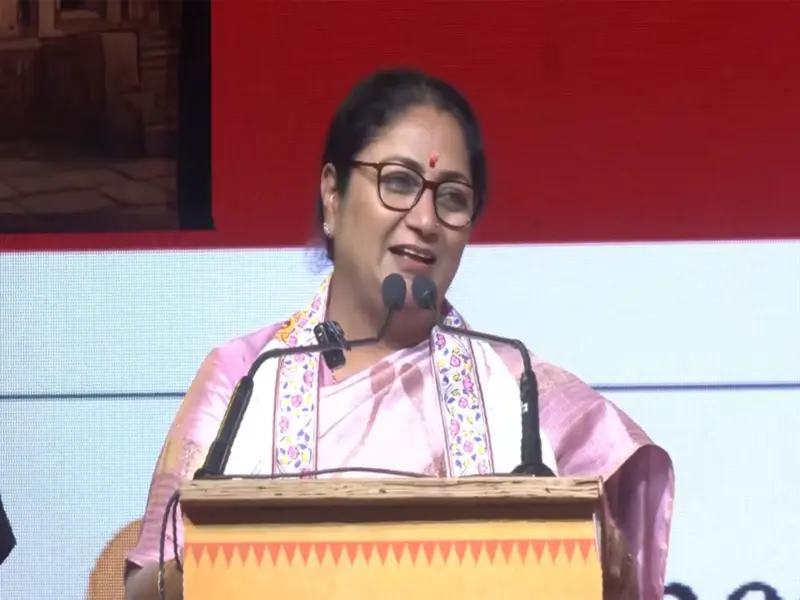
Chief Minister Rekha Gupta stated that the initiative aims to enhance the efficient use of doctors, specialists, medical equipment, and infrastructure, providing patients with more organised and advanced treatment. The integration is part of broader efforts to strengthen healthcare in the capital through better resource utilisation.
The proposal was discussed during a high-level meeting chaired by the Chief Minister at the Delhi Secretariat, which was attended by Health Minister Pankaj Kumar Singh and senior departmental officials. The meeting reviewed current hospital capacities and patient load pressures.
Rajiv Gandhi Super Speciality Hospital has a total bed capacity of 650, but only 250 beds are presently operational, leaving nearly 400 beds unused. Conversely, Delhi State Cancer Institute and GTB Hospital are operating beyond their capacities. GTB Hospital, originally designed for around 1,400 beds, currently operates with over 1,500 beds in use, handling more than 14 lakh outpatient visits annually and approximately 95,000 inpatients.
Delhi State Cancer Institute manages around 1.27 lakh outpatient visits each year, while Rajiv Gandhi Super Speciality Hospital records nearly 2.87 lakh outpatient visits.
The plan involves systematic distribution of super-speciality services across the institutions: Rajiv Gandhi Super Speciality Hospital will focus on cardiology, pulmonology, gastroenterology, gastrointestinal surgery, nephrology, urology, rheumatology, and clinical haematology. Delhi State Cancer Institute will serve as the main cancer care hub, consolidating radiation oncology, surgical oncology, nuclear medicine, palliative care, and radio-imaging services. Guru Teg Bahadur Hospital will strengthen departments including orthopaedics, internal medicine, ENT, general surgery, neurosurgery, endocrinology, and ophthalmology.
The review also highlighted that advanced medical equipment exists in various hospitals; however, shortages in specialised staff and fragmented resources limit their utilisation. Facilities include bronchoscopy at Rajiv Gandhi Hospital, a linear accelerator at Delhi State Cancer Institute, cath lab and echo lab at Rajiv Gandhi Hospital, and a bone bank at GTB Hospital. The integration aims to ensure better coordination and optimal use of these technologies.
Additionally, the Chief Minister announced plans to develop the Institute of Human Behaviour and Allied Sciences (IHBAS) as a second National Institute of Mental Health and Neurosciences (NIMHANS-2) to become a major national centre for mental health and neurosciences.
As part of this development, IHBAS will allocate 75 acres of its vacant land to GTB Hospital to establish a large Integrated Medical Institute unifying key healthcare facilities. The IHBAS campus currently covers approximately 111.69 acres, with around 19.9 acres occupied by the hospital building and significant space available for expansion.
Several buildings at IHBAS are ageing and will be replaced with modern infrastructure. The land will accommodate new hostels, advanced laboratories, and educational facilities such as auditoriums and lecture theatres to enhance medical education and training.
Chief Minister Rekha Gupta emphasised that this integration will not only deliver world-class specialised treatment to patients but also position Delhi as a leading centre for medical research and education in India.