
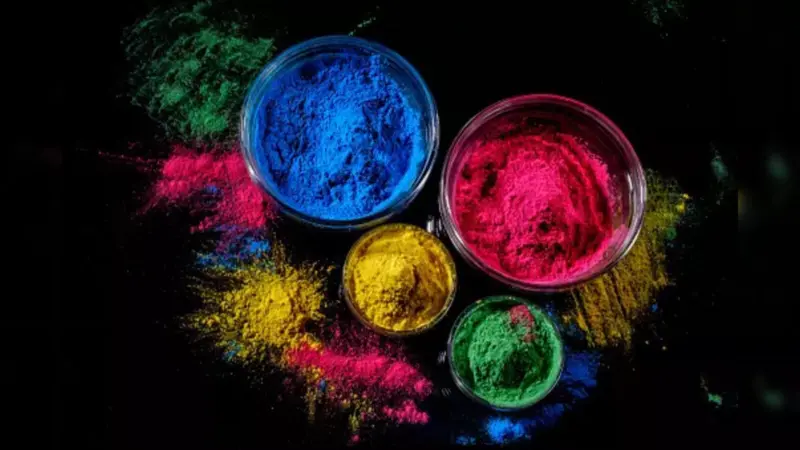

Colours have never been just about beauty. Long before modern paints filled store shelves, pigments carried deep meaning. They symbolised wealth, divinity, power and artistic mastery.
In fact, some colours were once more valuable than gold and silver. Among the rarest and most extraordinary is ultramarine blue, created from the precious stone Lapis Lazuli.
It is said that one gram of pure, natural ultramarine made from high quality Lapis Lazuli can cost Rs 80,000 or even more. This remarkable price tag is not driven by fashion or branding. It is rooted in history, geography and craftsmanship.
The Precious Stone Behind the Pigment
The oldest and most famous mines of Lapis Lazuli are located in Badakhshan. For thousands of years, this remote mountainous region supplied the world with the finest quality stone. From there, Lapis Lazuli travelled along ancient trade routes to Egypt, Mesopotamia and later Europe. It became one of the earliest globally traded minerals, treasured by kings, priests and artists.
Why It Was Called Ultramarine
Transforming the raw stone into pigment was an art in itself. Craftsmen would grind the stone into fine powder, then carefully purify it through repeated washing and treatment with oils and natural compounds. Extracting the purest blue required patience and skill. Even a tiny amount demanded hours of labour. This painstaking process added significantly to its extraordinary value.
A Colour Reserved for the Divine
Legendary artists such as Leonardo da Vinci and Michelangelo incorporated ultramarine into their masterpieces. Because it was so expensive, artists sometimes charged patrons extra if they requested the use of this precious blue. In many contracts, the amount of ultramarine to be used was specified clearly, highlighting its financial importance.
Choosing ultramarine was not simply about aesthetics. It was a statement of devotion and status.
Why Natural Ultramarine Still Commands a High Price
- Limited geographic sources of high quality Lapis Lazuli
- Labour intensive extraction and purification techniques
- Continued demand in fine art circles
- Strong historical and cultural significance
Although scientists developed a synthetic version of ultramarine in the 19th century, making the shade more accessible to the masses, natural ultramarine continues to be regarded as superior by many artists. They believe it offers a depth, richness and luminosity that artificial pigments struggle to replicate.
Other Colours Once Worth a Fortune
Tyrian purple was extracted from sea snails in ancient times. Thousands of snails were required to produce even a small quantity of dye. In the Roman Empire, this colour symbolised royal authority and was reserved for emperors and high ranking officials.
Cochineal red was made by drying and crushing insects found in Central and South America. During colonial times, it became one of the most valuable exports after silver.
Saffron yellow came from the delicate saffron flower. Thousands of blossoms yielded only a few grams of pigment, making it rare and expensive.
Indian yellow, known for its brilliant glow, had a controversial origin and was eventually discontinued.
The Industrial Revolution Changed the Palette
This shift made art more accessible and reduced the extreme costs associated with traditional pigments. Yet many collectors and traditional painters still hold natural pigments in high regard. They believe these colours carry a unique character shaped by nature and history.
More Than Just a Colour
When a single gram of pigment can cost Rs 80,000, it is no longer just a colour. It becomes a symbol of human creativity, devotion and global connection. Ultramarine blue stands as a radiant reminder that in the past, colours were not merely decorative. They were powerful, precious and deeply meaningful.