

Dailyhunt
From Kitchen Waste to Garden Gold: Easy Ways to Make Organic Compost at Home

From Kitchen Waste to Garden Gold: Easy Ways to Make Organic Compost at Home

Newspoint 1 month ago

Turning kitchen waste into organic fertilizer is simpler than you might think. Instead of throwing away vegetable peels, fruit pulp, or eggshells, you can convert them into nutrient-rich compost for your plants.

With a few easy steps, your kitchen scraps can help your garden grow greener and healthier.

Turn Everyday Scraps into Plant Food

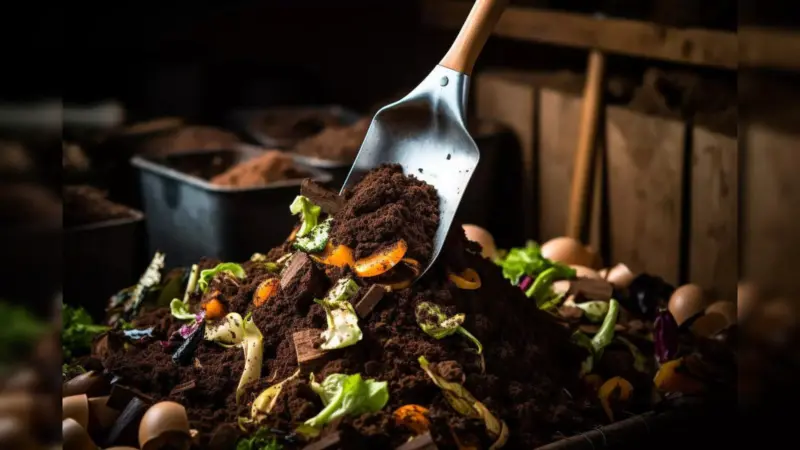
Vegetable peels, fruit pulp, eggshells, and even dry leaves can be used to make compost at home. Collect these items in a small container and add them to a compost bin or pot. Over time, they break down naturally and transform into nutrient-packed fertilizer that boosts plant growth.

Boost Decomposition with Natural Activators

To make compost break down faster, you need active bacteria. Add a handful of old compost to the new pile, or mix jaggery and yogurt with water and pour it over the waste. This simple trick activates beneficial microbes and speeds up the composting process.

Keep Your Compost Odor-Free

Bad smell is a common concern while composting. The solution is simple-balance wet waste with dry materials. Add dried leaves, shredded paper, or coco peat along with kitchen scraps. This absorbs excess moisture and keeps your compost pile fresh and odor-free.

Maggots Are Actually Helpful

If you notice maggots in your compost, there's no need to panic. These tiny creatures help break down organic matter quickly. Their presence means the composting process is working efficiently and your waste is turning into fertile soil.

Try the Simple Layering Method

For hassle-free composting, follow the layering technique. Start with a layer of dry material, then add a layer of kitchen waste, and repeat. This method keeps the compost balanced, reduces odor, and ensures steady decomposition.

With these easy tips, you can reduce kitchen waste while creating natural fertilizer for your plants. It's an eco-friendly habit that keeps both your garden and the environment healthy.
Dailyhunt
Disclaimer: This content has not been generated, created or edited by Dailyhunt. Publisher: Newspoint