
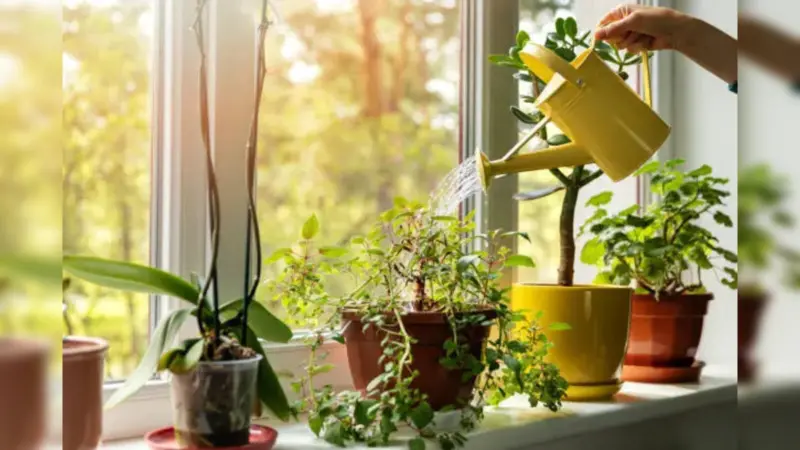

If you use an air conditioner regularly, you may have noticed water dripping from it. This is known as AC condensate water, and many people wonder if it can be reused for watering plants.
With growing awareness around saving water, this idea sounds practical. But is it actually good for your plants?
Here is a simple breakdown of the benefits, possible drawbacks, and how to use AC water safely.
What Is AC Water?
However, it is not completely pure and may pick up dust, metal particles, or microbes from the AC system.
Benefits of Using AC Water for Plants
1. Helps Save Water
2. Low in Minerals
3. Good for Non-Edible Plants
Drawbacks You Should Know
1. Lack of Nutrients
2. Possible Contamination
3. Slightly Acidic Nature
Tips for Using AC Water Safely
- Use AC water mainly for decorative or non-edible plants
- Mix it with regular water to balance its properties
- Ensure your AC unit is clean and well-maintained
- Avoid storing the water for long periods to prevent bacterial growth
- Add compost or plant nutrients to maintain soil health
When Should You Avoid Using AC Water?
It is best to avoid using AC water for:- Edible plants like vegetables and herbs
- Plants that require specific soil conditions
- Situations where the AC unit is not regularly cleaned
AC water can be a useful and sustainable option for watering plants if used carefully. While it helps conserve water and works well for many decorative plants, it should not completely replace regular watering.
With the right balance and precautions, you can make the most of this otherwise wasted resource while keeping your plants healthy.