




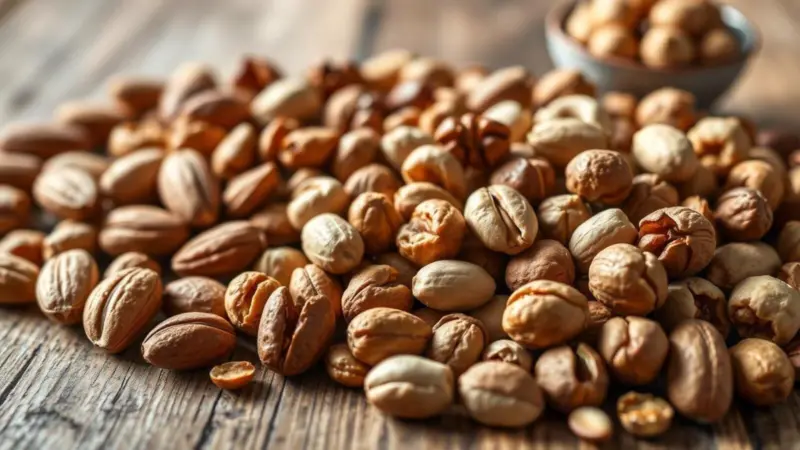

Nuts are widely known as one of the healthiest snack options. Packed with healthy fats, protein, fibre, vitamins and minerals, nuts support heart health, energy levels and overall nutrition.
Because of these benefits, many people include nuts like almonds, walnuts, pistachios and cashews in their daily diet.
However, one common question often comes up: should you eat nuts raw or roasted? Both options are popular, but they differ slightly in terms of nutrition, taste, digestibility and safety. Understanding these differences can help you choose the best type of nuts for healthy daily snacking.
Here is a closer look at the nutritional differences between raw and roasted nuts and which option may be better depending on your health goals.
Nutritional Differences Between Raw and Roasted Nuts
When it comes to overall nutrition, raw and roasted nuts are quite similar. Both varieties contain healthy fats, protein, fibre and essential nutrients such as vitamin E, magnesium and phosphorus. These nutrients are known to support heart health, improve cholesterol levels and help regulate blood sugar.However, raw nuts tend to retain slightly higher levels of antioxidants and heat-sensitive nutrients because they are not exposed to high temperatures during processing. This means raw nuts may provide marginally greater nutritional value for people focused on maximising nutrient intake.
Even so, the overall nutritional difference between raw and roasted nuts is usually small.
Taste, Texture and Digestibility
One of the biggest differences between raw and roasted nuts is taste and texture. Roasting enhances the flavour, aroma and crunch of nuts, which is why many people find roasted nuts more enjoyable as a snack.Roasting can also reduce compounds called antinutrients, such as phytic acid. These substances can interfere with the absorption of certain minerals. By reducing these compounds, roasting may make nuts easier to digest and improve mineral absorption for some people.
Because of this improved flavour and digestibility, roasted nuts often encourage people to snack on them more regularly.
Oil and Fat Content in Roasted Nuts
Dry roasted nuts generally contain nearly the same natural fats and calories as raw nuts. Nuts are naturally high in healthy fats, so roasting them without oil does not significantly change their nutritional profile.However, commercially roasted nuts may sometimes include added oils, salt or flavourings. These additions can increase calorie intake and sodium levels, which may make them less ideal for everyday snacking if consumed in large quantities.
For a healthier option, experts often recommend choosing dry roasted nuts without added salt or oil.
Safety and Storage Considerations
Another difference between raw and roasted nuts is related to food safety. Because raw nuts are not exposed to heat during processing, they may carry a slightly higher risk of bacterial contamination.Roasting reduces moisture and can destroy harmful bacteria such as Salmonella, which gives roasted nuts a slight advantage in terms of safety and shelf life.
This is also why roasted nuts are often considered easier to store and transport, especially in warm or humid climates.
Which One Should You Choose?
Both raw and roasted nuts can be part of a healthy diet when eaten in moderation. Raw nuts may be slightly better for people who want to maximise antioxidant intake and avoid added salt or oil.On the other hand, roasted nuts offer better flavour, a crunchier texture and easier digestibility for many people. If you prefer roasted nuts, choosing dry roasted versions without added salt, sugar or oil is usually the healthiest option.
Ultimately, the choice between raw and roasted nuts comes down to personal preference and dietary goals.
Nuts remain one of the best healthy snack choices regardless of whether they are raw or roasted. Raw nuts retain slightly higher levels of certain nutrients, while roasted nuts provide stronger flavour and may be easier to digest.
For daily snacking, the key is moderation and choosing minimally processed nuts. Whether you enjoy raw almonds or a handful of dry roasted pistachios, both options can support a balanced and nutritious diet when consumed wisely.