
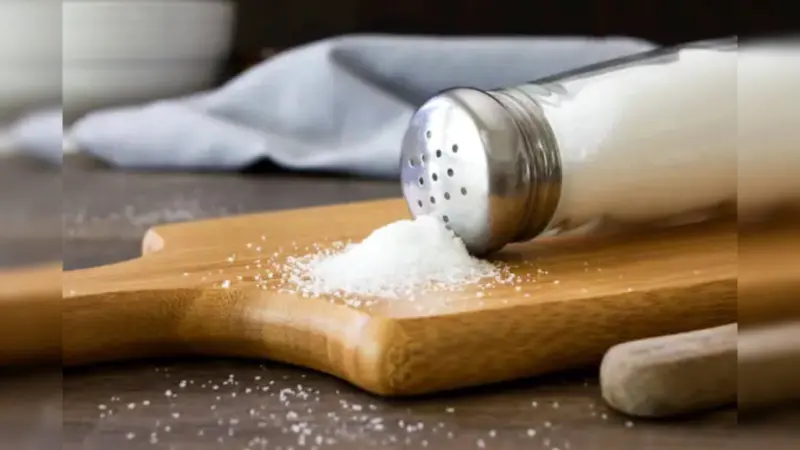

Salt may look like a simple kitchen staple, but in many traditional practices including Vastu Shastra, it is considered a powerful element that influences the energy of a home.
While plastic containers are widely used for their convenience, storing salt in them is often discouraged due to both energetic beliefs and practical concerns.
The Material Difference Matters
When salt is stored in plastic, it is believed that the natural energy of the salt gets restricted. This can create a sense of stagnation in the kitchen, which is traditionally considered the center of nourishment and prosperity in a home.
Possible Health Concerns
Switching to safer alternatives like glass or ceramic containers helps maintain the purity of stored salt and avoids unnecessary exposure to degraded plastic materials.
Vastu Perspective on Energy Flow
When salt is kept in plastic, its ability to absorb and balance energy is thought to be reduced. This may lead to an accumulation of heavy or stagnant energy in the kitchen area. Some practitioners believe this can reflect in everyday life as frequent disagreements, financial imbalance, or a general sense of unease within the household.
Recommended Storage Options
Using these alternatives not only aligns with traditional beliefs but also offers practical benefits in terms of durability and hygiene.
A Simple Vastu Tip for Your Home
It is important to replace the salt regularly, usually once a week, to maintain its effectiveness. Also, avoid storing this cleansing salt in plastic containers, as it may limit its ability to function as intended.
While such practices are rooted in traditional beliefs, many people find them helpful in creating a cleaner, more mindful, and organized living space. Choosing the right storage materials for something as simple as salt can be a small but meaningful step toward maintaining both physical cleanliness and a more balanced home environment.