




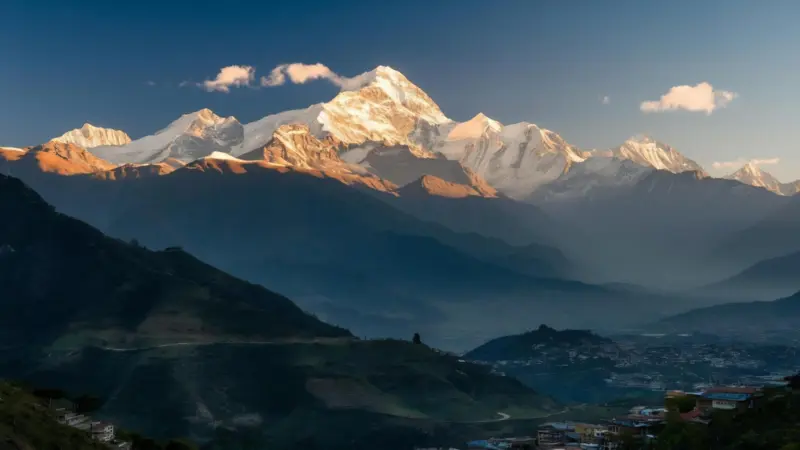

Mountains are some of Earth's most spectacular natural features, towering above the landscape and often piercing the clouds. Their formation, driven by tectonic shifts and geological activity, creates breathtaking scenery that draws climbers and explorers.
Among these giants, several peaks rise above 8,000 meters, including the world's tallest mountains that have inspired awe for centuries.
The third highest mountain in the world is Kangchenjunga, standing at an impressive 8,586 meters (28,169 feet) above sea level. This Himalayan peak straddles the border between India and Nepal, near the Indian state of Sikkim, and is renowned for its massive slopes, pristine snowfields, and awe-inspiring vistas.
Highest Mountains in the World
- Mount Everest - 8,848.86 meters
- K2 - 8,611 meters
- Kangchenjunga - 8,586 meters
- Lhotse - 8,516 meters
- Makalu - 8,485 meters
All of these peaks are located in the Himalayas and Karakoram ranges, forming the famous 'eight-thousanders' list, which includes the 14 mountains that rise above 8,000 meters, offering some of the most challenging climbs on Earth.
Read More: Which Asian Country Is Known As The Land Of Morning Calm?
Why Kangchenjunga Stands Out
This mountain is known for its steep slopes, harsh weather, and remote location, making it one of the toughest climbs globally. Its cultural importance, natural beauty, and mountaineering challenges continue to attract adventurers and nature enthusiasts alike.