




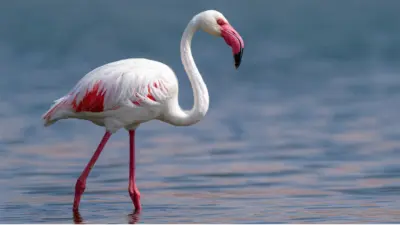

The Greater Flamingo is officially recognised as the state bird of Gujarat, a state located on the western coast of Gujarat. Known for its tall stature, graceful posture, and striking pink feathers, it has earned the title of the "Royal Bird." This elegant species is closely linked with Gujarat's vast wetlands, salt pans, and coastal ecosystems, where it thrives in large flocks.
Why the Greater Flamingo is Called the Royal Bird
Their pale pink to deep coral feathers, long neck, and slender legs give them a regal and elegant look. When seen in large groups across shimmering wetlands, they create a breathtaking natural spectacle.
This is one of the key reasons why the state bird of Gujarat is so widely admired.
Read More: Where Are The Most Bird Species Found In The World?
Habitat: Gujarat's Wetlands and Coastal Beauty
These areas provide ideal feeding grounds rich in algae, crustaceans, and small aquatic organisms, which form the primary diet of flamingos.
The presence of the Greater Flamingo highlights the ecological richness of wetland birds Gujarat and the importance of preserving these habitats.
Behaviour and Interesting Facts
Some key features include:
- They stand on one leg to conserve body heat
- They filter-feed using specialised beak structures
- They migrate seasonally depending on water levels
- They form lifelong breeding colonies
These behaviours make them one of the most unique Indian wildlife birds.
Importance in Gujarat's Ecosystem
Their presence also supports eco-tourism and birdwatching activities, contributing to local economies and environmental awareness.
Conservation and Protection
Efforts in places like the Rann of Kutch and other protected zones help ensure the survival of this iconic species. Protecting the greater flamingo also means preserving Gujarat's natural heritage.
The Greater Flamingo, Gujarat's royal bird, is more than just a symbol, it is a vital part of the state's ecological identity.
As the official state bird of Gujarat, it reflects the beauty of the region's wetlands and the importance of conserving India's rich biodiversity for future generations.