




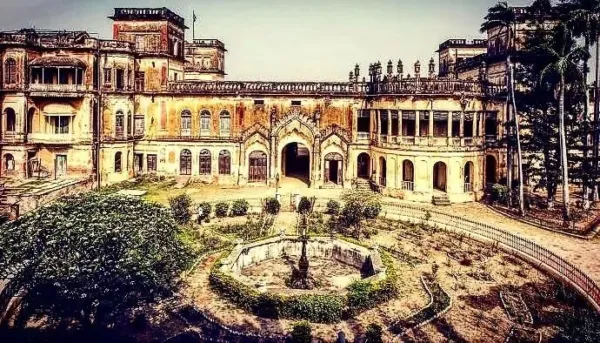

The Mahmudabad Fort, located in the Sitapur district of Uttar Pradesh, is a historical marvel showcasing the cultural and architectural richness of Awadh.
This stunning example of aristocratic design still stands as a silent witness to centuries of regional history, politics, and art.
Establishment and History of Mahmudabad Fort
The Mahmudabad Fort was established in 1677 by Raja Mahmud Khan, believed to be a descendant of Islam's first Caliph. Spread across 20 acres, the fort is part of the vast Mahmudabad Estate. Locally, it's known as the Kila (fort) or Kothi (mansion).
In the 17th century, Raja Mahmud Khan built this fortified palace not just for defense but as a symbol of power and grandeur. Mahmudabad became deeply tied with the social, political, and cultural life of Awadh, especially during the reign of the Nawabs.
The Fort During Mughal and British Eras
Mughal Period: During the Mughal era, Mahmudabad Fort emerged as a vital administrative and strategic center, acting as a link between the Mughal rulers and local princely states. It remained a semi-autonomous estate under Mughal suzerainty.
British Period: In colonial times, the fort kept its prominence. Although Mahmudabad's rulers tried to maintain autonomy, they faced policy restrictions and pressure from British authorities. Despite this, the fort preserved its cultural identity.
Role in India's Freedom Movement
Mahmudabad Fort played a crucial role in the First War of Independence (1857). Awadh was a major hub of rebellion against British rule, and Mahmudabad's rulers joined the uprising. Their contribution secured the fort's place in the story of India's struggle for freedom.
Architecture of Mahmudabad Fort
The fort combines Mughal and Awadhi styles, blending function and royal elegance. Its highlights include:
1. Grand Entrance Gate
A massive, beautifully carved gateway built for both security and grandeur. Its detailed patterns reflect the craftsmanship of that era.
2. The Kothi (Royal Mansion)
Inside the fort stands a majestic Kothi-a palace with spacious halls, courtyards, and elegant chambers. It features:
- Intricate ceilings
- Jharokhas (latticed windows)
- Wall murals
The design ensured comfort and security for the royals.
3. Defensive Structures
The fort had:
- Tall defensive walls
- Strong bastions
- A protective moat
- Watchtowers for surveillance
These made the fort strategically strong.
4. Interior Decorations
Inside, one finds:
- Mughal floral motifs
- Geometric carvings
- Colorful tiles
- Persian calligraphy
All these details showcase the aesthetic taste of Awadh's royalty.
5. Gardens and Courtyards
Lush gardens, fountains, and flower beds provided leisure spaces for the royal family-typical of Awadhi landscaping.
Cultural Significance of Mahmudabad Fort
Beyond its architecture, the fort was a cultural hub for Awadh.
1. Center for Art and Music
Awadh is famous for its cultural finesse. Mahmudabad Fort hosted:
- Poetry recitations
- Musical evenings
- Kathak dance performances
These events preserved traditional Awadhi art forms.
2. Literature and Education
The rulers supported scholars, poets, and artists. The fort had a library with rare Persian, Urdu, and Sanskrit manuscripts, making it a vibrant literary hub.
3. Symbol of Communal Harmony
The fort symbolized unity between Hindu and Muslim communities. Festivals and celebrations were shared-showing Awadh's unique culture of peace and co-existence.
Mahmudabad Fort Today
Today, Mahmudabad Fort is a magnet for tourists, historians, and architecture lovers. While parts have deteriorated, its aura remains intact.
As a Tourist Destination
The fort draws visitors who wish to experience history, architecture, and serene surroundings. Some parts have been converted into a museum showcasing:
- Artifacts
- Weapons
- Cultural items from the Awadh era
Preservation Efforts
The Archaeological Survey of India (ASI) and other heritage groups are working to protect and restore this priceless site for future generations.
Legends and Stories
Like many ancient forts, Mahmudabad Fort has its share of legends:
- Secret Tunnels: Locals believe there are tunnels beneath the fort, used by royals during emergencies.
- Romantic Tales: Stories of royal romances linked to its palaces and gardens add mystery and charm.
A Living Chronicle of Awadh
Mahmudabad Fort is more than a monument-it's a living story of Awadh's past, artistic brilliance, and rich cultural legacy. Its majestic walls, courtyards, and gardens remind us of India's royal heritage.
If you love history and culture, this fort is a must-visit. It doesn't just tell stories-it whispers the soul of Awadh through every stone and breeze.