
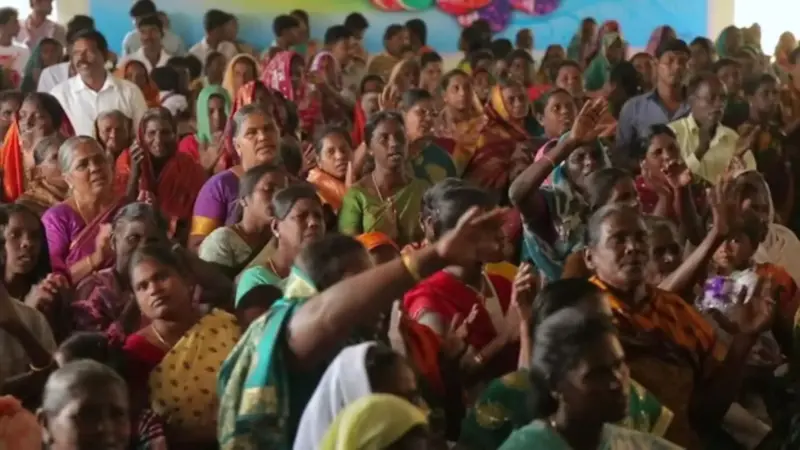

As the Indian government moves towards including caste-based enumeration in the upcoming national census, attention has turned back to the last comprehensive caste census conducted nearly a century ago-in 1931.
When Was India's Last Caste Census?
India's last full-fledged caste census was carried out in 1931 under British colonial rule. While various surveys and reports have touched on caste data since then, 1931 remains the only complete and official caste enumeration in the country’s census history. This census is considered historically significant for its detailed classification of castes and for shaping India’s future social policies.
What Did the 1931 Caste Census Reveal?
The 1931 Census provided a snapshot of Indian society, revealing that Other Backward Classes (OBCs) made up approximately 52% of India's then population of around 271 million. This single data point later became the cornerstone for the Mandal Commission Report in 1980, which recommended a 27% reservation for OBCs in government jobs and educational institutions-a policy that was implemented in 1990 and still influences affirmative action policies today.
Why Was the Caste Census Discontinued?
After India gained independence, the government led by Jawaharlal Nehru chose to discontinue caste enumeration in national censuses. The official stance was that such practices could fuel divisions and undermine national unity. Leaders of the time prioritized building a unified identity over reinforcing caste lines. Additionally, the logistical complexity of cataloguing thousands of castes and sub-castes across diverse regions posed a major administrative challenge.
Historical Challenges in Caste Enumeration
Past censuses struggled with methodology. For instance, the 1881 Census only documented caste groups with populations over 100,000. By 1901, Census Commissioner H.H. Risley tried to organize data according to the varna system, which faced backlash from communities eager to elevate their social status. By 1931, the enumeration had matured, offering a more nuanced view of caste distribution-though still within the confines of colonial administrative logic.
Why the 1931 Caste Census Still Matters
Despite being nearly 100 years old, the 1931 caste census continues to influence contemporary policymaking and debates on social justice. The lack of up-to-date caste data has made it difficult to accurately assess the needs of marginalized communities. Calls for a fresh caste census have grown louder in recent years, especially with several states like Bihar and Telangana conducting their own surveys.
The Union government recently announced plans to include caste-based data in the upcoming national census, delayed since 2020 due to the COVID-19 pandemic. Union Minister Ashwini Vaishnaw confirmed that the enumeration would be conducted in a transparent and fair manner. This marks a major policy shift that could significantly reshape reservation policies, welfare programs, and political representation in the future.
As India prepares to revisit caste enumeration nearly a century after the 1931 census, the need for updated, comprehensive caste data has become more critical than ever. Understanding the findings and significance of the 1931 caste census is essential to grasp the potential impact of the upcoming exercise-a move that could empower marginalised communities and guide evidence-based policymaking for decades to come.
India Plans to Bring Back Caste Count in Next Census After 70+ Years