

The Tripura government is moving towards a more digital and efficient healthcare system with the rollout of the Integrated Health Management Information System (IHMIS) across the state.
The initiative aims to improve accessibility, transparency, and efficiency of healthcare services for citizens through digital technology. The programme is being implemented across all district, subdivision, rural hospitals, and primary health centers in the state.
According to officials from the state Health Department, the system will enable patients to access services more conveniently, including generating outpatient tickets through QR code scanning and viewing their medical information digitally. The broader goal is to ensure modern, data-driven healthcare reaches every citizen, including those in remote areas.
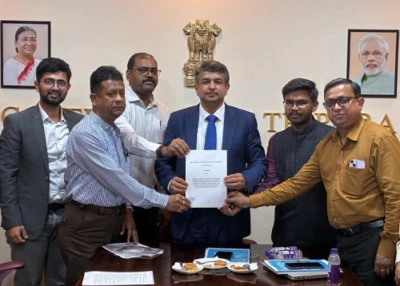
To review and streamline the implementation, a meeting was held on March 2 involving Health Secretary Kiran Gitte, Health Director Dr. Debashree Debbarma, State Mission Director ABDM Dr. G. Sharath Naik, Head of Office of Health Authority Dr. Rajesh Anil Acharya, Deputy Director Dr. Alok Dewan, and representatives from Broadcast Engineering Consultants India Limited (BECIL).
During the meeting, the Health Secretary directed officials to ensure adequate resources and smooth execution of the project, stressing the importance of active participation by doctors and healthcare workers.
Also Read: 24 Basic Life Support ambulances flagged-off in Tripura to improve emergency response
The IHIMS project focuses on fully digitizing healthcare services in Tripura. It includes key features such as electronic health records, allowing doctors to access a patient's medical history across government facilities.
The system is linked with the central government's Ayushman Bharat Digital Mission (ABDM), generating an Ayushman Bharat Health Account (ABHA) ID for each citizen.
The programme also promotes paperless services like online registration, helping reduce long queues in hospitals. While the ABHA system is already operational in several hospitals and health centres, it is expected to be expanded across all primary healthcare facilities soon.