





Reported by Roopak Goswami
Guwahati: India's tea culture has received global recognition after food and travel platform TasteAtlas ranked chai masala as the world's best tea, while placing Darjeeling tea and Assam tea among the top-rated teas globally.
In its latest "Top 100 Teas in the World" rankings released this month, TasteAtlas placed India's iconic chai masala in the top spot, describing the spiced beverage as one of the country's most distinctive tea traditions rooted in history, flavour, and everyday culture.
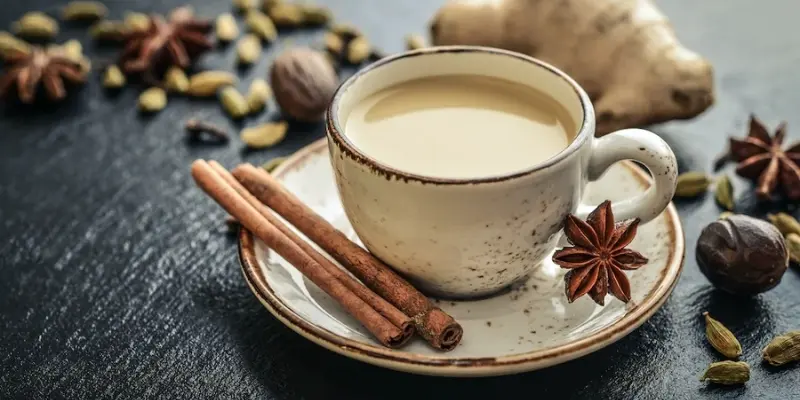
According to TasteAtlas, chai masala is made by brewing black tea with milk and a blend of spices such as cardamom, ginger, cloves, cinnamon, and black pepper.
While spice combinations vary across regions and households, the beverage has evolved into one of India's most recognisable culinary exports.
The platform also traced the popularisation of chai masala to the expansion of the British tea trade in India during the colonial period.
It noted that the drink became widely popular in the 20th century, after tea consumption was promoted among workers, and tea gradually became more affordable across the country.
Darjeeling tea secured the sixth position in the global rankings, while Assam tea, celebrated for its strong, malty flavour and bright liquor, also featured among the world's best teas, reinforcing India's growing reputation in the premium and speciality tea segment.
The recognition is particularly significant for Assam, the world's largest tea-growing region by production, and home to the indigenous tea variety Camellia sinensis var. assamica. Assam teas form the backbone of many breakfast blends consumed globally because of their briskness, bold body, and rich character.
TasteAtlas also highlighted several Indian speciality teas and tea estates in separate rankings, including premium teas from Halmari Tea Estate, Makaibari Tea Estate, and Jay Shree Tea.
The rankings come at a time when India's speciality and artisanal tea sector is witnessing growing international interest, particularly in origin-based and small-batch teas from Assam and Darjeeling.
Industry observers say younger consumers and global tea enthusiasts are increasingly seeking teas with distinct provenance, flavour profiles, and cultural narratives.
Tea industry stakeholders believe such international recognition helps strengthen the branding and market visibility of Indian teas in export markets by showcasing both their heritage and diversity.
TasteAtlas said the rankings were based on audience ratings, expert opinions, and food criticism collected from across the world.