

Summer places unique demands on the body with rising temperatures, increased sweating, and shifts in appetite all impact digestion, hydration, and overall energy levels and this is where the Whole30 diet, when approached thoughtfully, can act as a strategic reset for gut health during the hotter months.
At its core, Whole30 diet of summer is a 30-day elimination program that removes inflammatory food groups such as sugar, alcohol, grains, legumes, and dairy. The aim is to reduce gut irritation, stabilize blood sugar, and help the body recalibrate its metabolic and digestive processes. In summer, when the digestive system often becomes more sensitive due to heat and dehydration, this reset can be particularly effective.
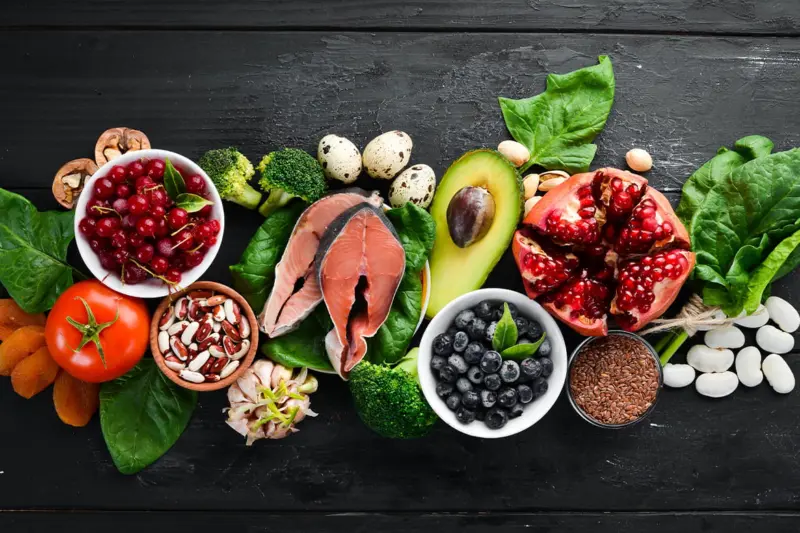
One of the biggest advantages of Whole30 in summer is its emphasis on whole, unprocessed foods fresh vegetables, fruits, lean proteins, and healthy fats. These foods are naturally hydrating and easier to digest compared to heavy, processed meals. Seasonal produce like cucumbers, zucchini, tomatoes, berries, and leafy greens not only align with Whole30 guidelines but also provide high water content and essential micronutrients, supporting electrolyte balance and gut function.
Heat often suppresses appetite, leading people to skip meals or rely on quick, unhealthy options. Whole30's structured approach helps maintain consistency without overburdening the digestive system. Light, balanced meals such as grilled vegetables with protein, chilled salads, or fruit-based snacks prevent the sluggishness that typically accompanies summer eating habits.
Another key benefit is the reduction of sugar and processed foods, which tend to increase inflammation and disrupt gut microbiota. In summer, excessive sugar intake-through cold drinks, ice creams, and packaged snacks is common. Whole30 eliminates these triggers, helping to reduce bloating, acidity, and fatigue. Many individuals report improved digestion, clearer skin, and more stable energy levels within weeks.
Hydration also becomes more efficient on Whole30. Without processed foods high in sodium and additives, the body regulates water balance better. Including natural sources of electrolytes like coconut water (in moderation and compliant forms), fresh vegetables, and fruits enhances hydration without relying on artificial drinks.
However, applying to Whole30 in summer requires some practical adjustments. The focus should be on lighter cooking methods such as grilling, steaming, or raw preparations rather than heavy roasting or frying. Meals should be spaced to avoid long fasting periods that can lead to energy dips in the heat. It's also essential to listen to the body-summer is not the time for overly restrictive calorie intake.
The gut, often referred to as the "second brain," responds quickly to dietary changes. By removing common irritants and introducing nutrient-dense foods, Whole30 creates an environment for beneficial gut bacteria to thrive. In summer, when digestive discomfort is more common, this reset can improve not just gut health but also immunity and mental clarity.
That said, Whole30 is not a permanent diet-it's a short-term intervention. The real value lies in the reintroduction phase, where you identify which foods work best for your body in summer conditions. This personalized understanding helps build a sustainable, seasonally appropriate diet moving forward.
In essence, Whole30 during summer is less about restriction and more about recalibration. It aligns well with the body's natural inclination for lighter, cleaner eating in the heat, making it an effective tool for gut health, hydration, and sustained energy.