
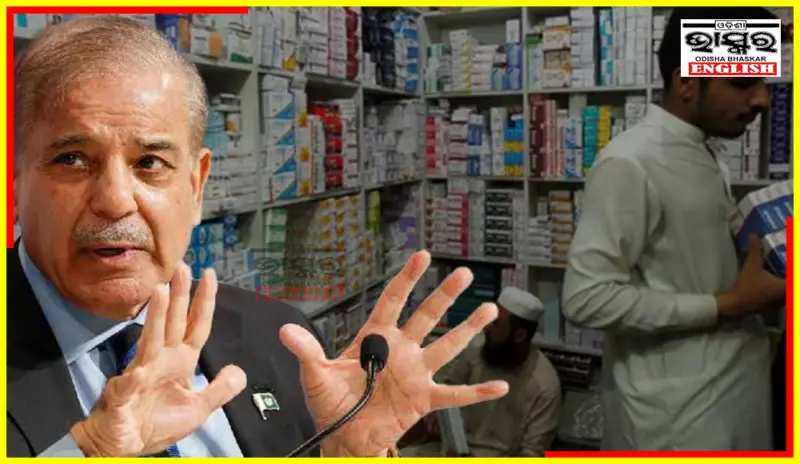

Pakistan's patients are caught in the crossfire of geopolitics and weak price controls, as medicine costs spiral out of reach across major cities.
The crisis, rooted in global supply disruptions after the Strait of Hormuz was closed amid Middle East hostilities, has collided with domestic tax hikes to create a perfect storm for healthcare.
Since 2023, prices of essential drugs have surged relentlessly, up 50 per cent in 2024 and another 30-40 per cent in 2025. The Shehbaz Sharif government's decision to impose an 18 per cent sales tax on pharmaceutical inputs has only deepened the pain, pushing even basic treatment beyond the reach of ordinary families.
Hospitals in Lahore, Karachi and Peshawar report shortages, with patients often handed partial prescriptions. "When the government delays decisions on essential drug pricing, importers reduce supply, leading to shortages of critical medicines like insulin," warned Abdul Samad Budhani of the Pakistan Chemist and Drug Association, as per Pakistani media.
Doctors prescribing unnecessary multivitamins and patients resorting to self-medication are worsening the situation, said Dr Adnan Rizvi of the Pharmacists Association, cautioning that "no major new antibiotics are expected by 2030."
Drug wholesalers in Karachi claim prices are being revised every 15-20 days, with blood pressure and cholesterol drugs nearly doubling in cost compared to two years ago. The Pakistan Medical Association has already warned of a looming "man-made epidemic," as the country's healthcare system buckles under pressure.