
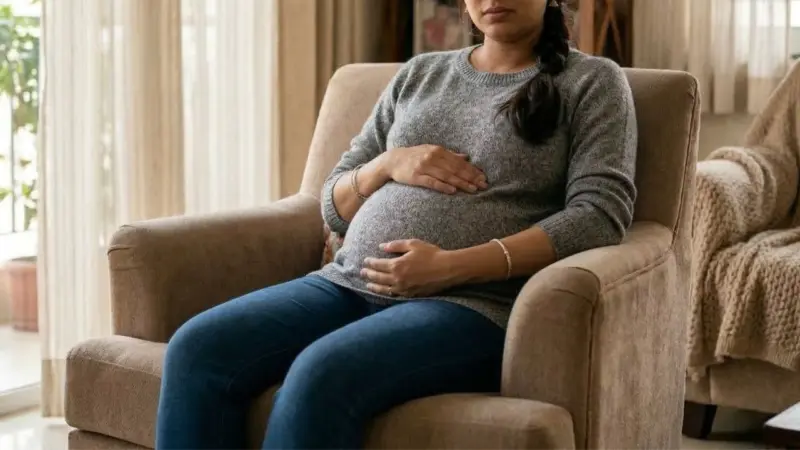

Iron deficiency during pregnancy is more common than you might think. During pregnancy, a woman's body requires extra iron to supply oxygen to her developing fetus.
Simply having more iron ensures adequate hemoglobin levels that support the healthy growth of the baby. Iron deficiency leads to anemia. Anemia brings lethargy and dizziness.
Low iron levels also increase the risk of complications during pregnancy, such as premature birth and low birth weight. Identifying the symptoms of iron deficiency early helps plan an appropriate diet that can support the health of both mother and baby.
Quick Summary:
Signs of Iron Deficiency to Watch For:
Feeling tired even after adequate rest
May find it difficult to do daily activities
Climbing stairs feels strenuous
Feeling dizzy or light-headed
Pale skin or lips
Palpitations
Shortness of breath
What Is Iron Deficiency?
Iron deficiency occurs when the mother's body lacks enough iron. Low iron levels lead to reduced hemoglobin, a protein in red blood cells that carries oxygen from the lungs to the rest of the body. Iron deficiency during pregnancy, can cause significant health issues for both the mother and her developing baby. Depleted iron reserves lead to fatigue, reduced energy for mothers, and inadequate development in the baby. When iron deficiency is significantly lowered, it leads to a condition known as Anemia.
Who Is Most Affected?
In India, iron deficiency is more common in women from low socio-economic backgrounds, teenage mothers, and women who have experienced closely-spaced pregnancies. Sometimes, anemia is also common in women who eat vegetarian food, live in rural communities where iron-rich foods are less consumed on a daily basis due to a lack of knowledge.
How Common Is It?
According to the WHO reports, about 50% of women in India suffer from iron deficiency during pregnancy, out of which many women have Hb levels below 7 g/dL and are classified as severely anemic.
Another study shows that the prevalence of anemia in women aged 15-49 years increased from 53% to 57%, and for pregnant women, it is 50.4% - 52.2%. The data show that iron deficiency among women of reproductive age is quite high.
Why Is Iron Important During Pregnancy?
Iron is a most vital nutrient during pregnancy because of the following reasons:
Increases blood volume: During pregnancy, a woman's blood volume increases by 30-50%. Iron is an important component that increases RBC count, which can carry oxygen to the developing fetus.
Supports baby's growth: Iron supports the baby's brain growth by supplying oxygen to developing brain cells and supporting the formation of healthy brain tissues.
Builds placenta: The healthy growth of the placenta depends upon an adequate supply of iron.
Helps the body prepare for birth: When iron levels are sufficient, the mother's body has the energy to sustain the physiological stress of delivery. Blood loss during childbirth requires sufficient iron to recover healthily.
Lowers risk of complications during birth: Sufficient iron levels help prevent birth complications in babies, including a lower risk of premature delivery.
Common Signs And Symptoms Of Iran Deficiency During Pregnancy
Iron deficiency in women during pregnancy presents with early signs, moderate symptoms, and severe warning signs that require prompt treatment.
Early Signs
Persistent fatigue
Pale lips, skin, or inner eyelid
Mild dizziness
Cold hands and feet
Mild headaches
Moderate Symptoms
Feeling very weak, even daily chores feel draining
Irregular heartbeat
Low energy levels even after adequate rest
Hail falls, or nails become brittle
Feeling mentally tired, reduced focus
Severe or Urgent Warning Signs
Severe shortness of breath
Unable to get out of bed
Extremely fatigued
Feeling excessively sleepy
Swelling in the legs or feet
May crave non-food items such as clay or chalk

What Is Normal vs When to Worry
When identifying signs of iron deficiency, it's important to remember that some symptoms of low iron during pregnancy overlap with signs of pregnancy fatigue.
Usually normal
Feeling mild tiredness
Occasional dizziness while standing up or doing an activity
Experiencing weakness after a tiring day
Temporary headaches that get better with rest
Mild palpitations or shortness of breath after physical activity
May Need Medical Attention
There are some signs of iron deficiency that need prompt treatment.
Extreme fatigue that doesn't get better with enough rest
Fainting or loss of consciousness
Very pale skin, lips, or nails
Feel like sleeping all the time
Difficulty carrying out regular work
Extreme shortness of breath
Palpitations after doing minor work
Feeling dizzy very often
What Causes Iron Deficiency During Pregnancy
Iron deficiency can be caused by several factors.
Excessively heavy bleeding during menstruation can lead to iron deficiency
During pregnancy and lactation, the body needs more iron reserves than usual. Iron may be used up faster than usual and needs to be replenished with a proper diet
Poor dietary intake of iron-rich foods may cause a deficiency
Multiple childbirths in a short duration may deplete the body's iron reserves, causing a deficiency
What Can Be Done At Home To Improve Iron Deficiency
Due to iron deficiency, hemoglobin levels during pregnancy may drop significantly if proper dietary measures are not taken early. According to WHO recommendations, women should consume 120mg of elemental iron and 2.5mg of folic acid daily from conception to the birth of their baby.
However, this recommendation is generic. Your doctor will assess your symptoms and suggest an appropriate dose. Avoid self-medication to prevent health problems.
Eating more iron-rich foods such as dates, spinach, beetroot, eggs, meat, and lentils can help address iron deficiency in pregnant women.
Pregnant women should eat citrus fruits and other vitamin C-rich foods. Vitamin C supports iron absorption and helps increase hemoglobin.
Avoid tea and coffee, as these substances lower the absorption of iron in the body
During pregnancy, it is important to eat balanced, healthy meals so that adequate iron reserves can be maintained in the body
Pregnant women should include iron-rich snacks in their daily diet, such as roasted peanuts, sesame ladoo, roasted chana, moong dal, and various lentils.
During pregnancy, doctors recommend iron supplements along with folic acid. These should be taken regularly
Adding more proteins in the diet in the form of lean meat, eggs, fish, soybean can help in reducing iron deficiency
Following a regular diet plan that has more iron-rich foods ensures having enough iron reserves in the body
Iron-rich diet Plan For Pregnant Women
Below is a diet plan pregnant women may follow, tailored to their needs and preferences.
Breakfast
Iron-fortified cereal with seasonal fruits
Almonds
Dates
Eggs
Orange juice
Whole wheat bread/vegetable soup
Lunch
Brown rice/millet poha / khichdi
Lentil soup
Vegetables
Fish or meat (if eating non-vegetarian)
Green leafy vegetables and salads
Evening snacks
Guava or kiwi
Banana shake
Roasted chana
Tomato soup
Fruit salad
Dinner
Whole wheat roti/millet khichdi
Boiled vegetables like broccoli/carrot/beetroot
Lentils or soy products
Curd
When to Seek Professional Help
If the woman experiences persistent fatigue, pale skin, low energy levels, and unusual breathlessness, it is better to seek advice from a medical practitioner. The doctor can check hemoglobin levels with a simple blood test and may suggest iron supplements that gradually improve the deficiency.
Expert Insight Section
According to Dr. Rahul Bhargav, Fortis Hospitals, Gurugram, "It is important to understand that the demand for iron increases during pregnancy to support the growing baby and an increased demand for the mother's blood volume. If not treated timely, iron deficiency can lead to anaemia, which can have adverse effects on both the baby and the mother."
Hemoglobin levels during pregnancy can be improved by following an iron-rich diet that replenishes the body with essential nutrients that support a healthy pregnancy and improve the mother's overall health.