
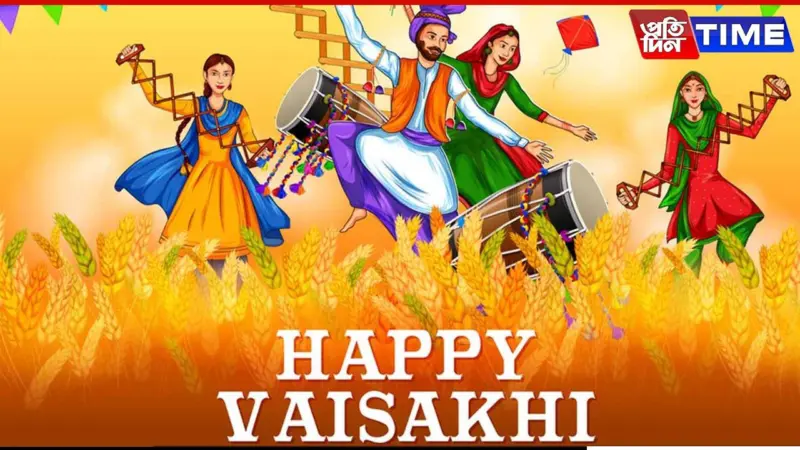

Baisakhi, also known as Vaisakhi, is one of the most significant festivals celebrated with great devotion and enthusiasm, especially in Punjab.
It marks the Sikh New Year, the harvest season, and a historic moment in Sikhism, blending faith, gratitude, and cultural vibrance.
In 2026, Baisakhi carries not just festive joy but also a sense of reflection-encouraging people to appreciate nature's abundance, strengthen community bonds, and embrace new beginnings with hope.
When is Baisakhi 2026?
Baisakhi is observed on Mesha Sankranti as per the Hindu solar calendar.
Date: April 14, 2026 (Tuesday)
Sankranti Moment: Around 09:39 AM
This day also marks the beginning of the Sikh New Year and is widely celebrated across northern India.
Significance of Baisakhi
Baisakhi holds deep religious, cultural, and agricultural importance:
It marks the Sikh and Punjabi New Year
Celebrates the harvest season, especially of Rabi crops like wheat
Symbolises new beginnings, prosperity, and gratitude
Encourages values of unity, equality, and spiritual discipline
For many, it is a time to thank God for abundance, seek forgiveness, and start the year with renewed faith and positivity.
Historical Importance
Baisakhi commemorates the historic formation of the Khalsa Panth in 1699 by Guru Gobind Singh at Anandpur Sahib.
On this day, Guru Gobind Singh initiated the Panj Pyare (Five Beloved Ones) and laid the foundation of a disciplined and united Sikh community based on:
Equality
Courage
Devotion
This moment transformed Sikh identity and continues to inspire generations.
Baisakhi as a Harvest Festival
For farmers, especially in Punjab and Haryana, Baisakhi is a celebration of a successful harvest. Golden wheat fields symbolise prosperity and hard work coming to fruition.
Farmers express gratitude through:
Prayers and offerings
Community feasts
Folk dances like Bhangra and Gidda
In 2026, alongside celebration, there is also a deeper appreciation for resilience, nature, and shared prosperity.
How Baisakhi is Celebrated
Gurdwara Visits
Devotees visit gurdwaras to offer prayers and listen to hymns from the Guru Granth Sahib.
Nagar Kirtan
Religious processions led by the Panj Pyare, featuring devotional singing and martial arts displays.
Langar
Community kitchens serve free meals to everyone, symbolising equality and selfless service.
Cultural Festivities
Traditional music, fairs, and dances like Bhangra and Gidda create a vibrant atmosphere.
Important Values of Baisakhi
Baisakhi is not just about celebration-it also teaches important life values:
Show gratitude to nature and the divine
Promote unity and equality
Follow the path of righteousness
Engage in selfless service (seva)
Maintain spiritual discipline in daily life
Celebrations Across India
Amritsar - The Golden Temple becomes a spiritual hub with thousands of devotees
Delhi - Nagar Kirtans and community celebrations
Chandigarh & Jalandhar - Cultural events, fairs, and performances
The festival also aligns with regional New Year celebrations in states like Assam and West Bengal.
Baisakhi 2026 is a celebration of faith, harvest, and new beginnings. It beautifully blends spiritual devotion with cultural joy, reminding people of the importance of gratitude, unity, and resilience.
As communities come together in prayer, dance, and celebration.
Navratri 2026 Colour Guide: What to Wear on Each Day of Chaitra Navratri
Chaitra Navratri 2026 Colours: Complete Day-Wise Colour Guide, Dates, Rituals and Significance