




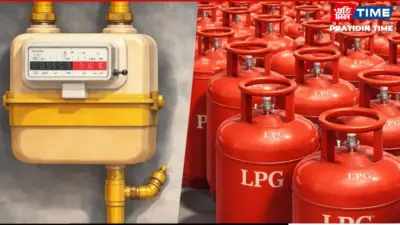

Indian households using LPG cylinders are facing a series of regulatory and price-related changes, including a mandatory eKYC deadline, stricter PNG transition rules, and recent price hikes.
The latest directives, driven by supply concerns and policy shifts following global tensions, require consumers to complete Aadhaar-based authentication by June 30, 2026, while also aligning with new norms governing LPG and piped natural gas usage.
The changes aim to ensure targeted subsidy delivery, eliminate duplicate connections, and prioritise genuine consumers. Oil marketing companies have also signalled further price revisions in the coming month for both domestic and commercial LPG cylinders.
The government has made Aadhaar-based eKYC mandatory for beneficiaries under the Pradhan Mantri Ujjwala Yojana (PMUY). Officials have clarified that the requirement applies to those who have not yet completed the process. Non-PMUY consumers who have already undergone authentication are exempt from repeating it.
Indian Oil has directed customers to complete eKYC by June 30, 2026, warning that failure to comply could disrupt LPG subsidy benefits. The move is part of a broader push to streamline subsidy distribution and eliminate ineligible claims.
Under revised norms, households located in areas with piped natural gas infrastructure must transition to PNG and surrender their LPG connections. The government has enforced a strict “no dual connection” policy, prohibiting consumers from holding both LPG and PNG simultaneously.
As per the Petroleum Ministry’s March 2026 circular, individuals with an active PNG connection are barred from applying for new LPG connections or refills through public sector oil companies such as Indane, Bharat Gas and HP Gas.
The Natural Gas and Petroleum Products Distribution Order, 2026, issued on March 24, mandates a 90-day window for consumers to switch to PNG where available. The deadline for compliance is expected to fall by the end of June, failing which LPG supply may be suspended.
LPG prices in India have seen repeated hikes in recent months, largely influenced by global supply disruptions linked to the US-Israel-Iran conflict. The temporary closure of the Strait of Hormuz triggered shortages and pushed oil marketing companies to raise prices.
As of June 1, the price of a 19 kg commercial LPG cylinder increased by Rs 43.50 across major cities. Current rates stand at Rs 3,113.50 in Delhi, Rs 3,067.50 in Mumbai, Rs 3,283 in Chennai and Rs 3,255.5 in Kolkata.
Domestic 14.2 kg LPG cylinders also saw a hike of Rs 29 on June 7. Prices now stand at Rs 942 in Delhi, Rs 941.50 in Mumbai, Rs 968 in Kolkata and Rs 957.50 in Chennai. Notably, domestic cylinder prices have been revised twice since late February, while commercial LPG rates have been increased five times between March and June.
With signs of easing tensions following a potential US-Iran peace agreement and the reopening of the Strait of Hormuz, attention is now on whether LPG prices could stabilise or decline in the coming weeks.