
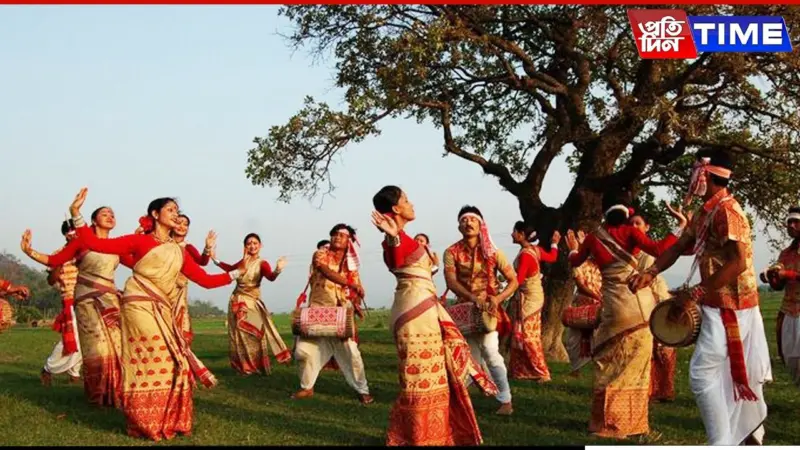

Rongali Bihu marks the beginning of the Assamese New Year and the arrival of spring—a time filled with joy, renewal, and cultural expression.
Rooted in Assam’s agrarian traditions, the festival brings communities together through vibrant dances, soulful music, and age-old customs that reflect a deep connection with nature. As flowers bloom and migratory birds return, Bohag Bihu becomes a symbol of harmony, hope, and new beginnings.
This year, however, the celebrations carry a more emotional and reflective tone. People across Assam are remembering the voices that shaped Bihu’s identity—especially Zubeen Garg. His music, once a lively and inseparable part of every celebration, now resonates with deeper meaning, adding a sense of nostalgia to Rongali Bihu 2026.
The Essence of Bohag Bihu
Bohag Bihu is deeply connected to nature, agriculture, and community bonding. It marks the beginning of the sowing season and brings hope for abundance and prosperity. Families come together to celebrate with traditional music, dance, and feasts, strengthening relationships and cultural ties.
In 2026, while the spirit of togetherness remains strong, there is also a quiet pause in many celebrations—a moment to reflect, remember, and feel the emotional depth that music and culture bring to the festival.
Spring and Its Seasonal Significance
Spring, often called “Rituraj” in Assamese culture, transforms the landscape into a vibrant canvas of blooming flowers, lush greenery, and pleasant weather. The pre-monsoon winds known as “Bordoisila” refresh the land, preparing it for a new agricultural cycle.
The arrival of birds like the Kuli Sorai (Koel) and Keteki Sorai (Hawk-Cuckoo) fills the air with melodious calls, marking the true onset of Bihu. This year, their songs seem to blend with memories, making the season feel even more poignant.
Nature and Cultural Beauty
During Bohag Bihu, Assam comes alive with natural beauty. Flowers like Kopouphul (Foxtail Orchid), Nahor Phul, and Togor Phul bloom across the region. The Kopouphul, in particular, holds special cultural significance, as women adorn their hair with it during Bihu dances.
The rivers, fields, and forests also reflect this seasonal change, with fish spawning and greenery flourishing. Nature itself becomes a participant in the celebrations, adding colour and life to every moment.
Mahavisuva Sankranti and the New Year
Bohag Bihu coincides with Mahavisuva Sankranti, marking the sun’s transition into Mesha Rashi (Aries) and the beginning of the solar calendar. It is a time for prayers, cultural performances, and community gatherings, observed with devotion and joy across Assam.
The Seven Days of Bohag Bihu
Rongali Bihu unfolds over several days, each with its own meaning:
Goru Bihu – Honouring cattle for their role in agriculture
Manuh Bihu – Celebrating new beginnings with blessings and new clothes
Kutum Bihu – Strengthening family bonds through visits and feasts
Tantar Bihu – Honouring the tradition of weaving
Haat Bihu – Community gatherings, fairs, and festivities
Nangal Bihu – Preparing for the agricultural season
Chera Bihu – Concluding celebrations with prayers and performances
A Festival That Feels Different in 2026
While the rhythms of the dhol and the joy of Bihu dance continue to fill the air, Rongali Bihu 2026 carries a deeper emotional layer. For many, the absence of Zubeen Garg from the festive stage is deeply felt. His songs, once performed live or played loudly during celebrations, now echo as memories—making people listen more closely and feel more deeply.
Bihu this year is not just about celebration—it is also about remembrance. It reminds people of the powerful role music plays in shaping identity and emotion.
Nature, Culture, and Memory
Bohag Bihu remains a beautiful blend of nature and culture. The melodies of Bihugeet, the beats of the dhol, and the graceful dance movements continue to define the festival. Yet in 2026, these elements carry an added sense of meaning—where joy meets memory.
As the celebrations come to an end, people return to their fields and daily lives with renewed hope. Even in its more reflective tone, Rongali Bihu continues to stand as a symbol of life, resilience, and the enduring spirit of Assam.
Rongali Bihu 2026: The Spirit of Assam’s Spring, Culture, and New Beginnings
Happy Magh Bihu 2026: Best Wishes, Quotes, Messages and Greetings to Share the Harvest Joy
Navratri 2026 Colour Guide: What to Wear on Each Day of Chaitra Navratri