
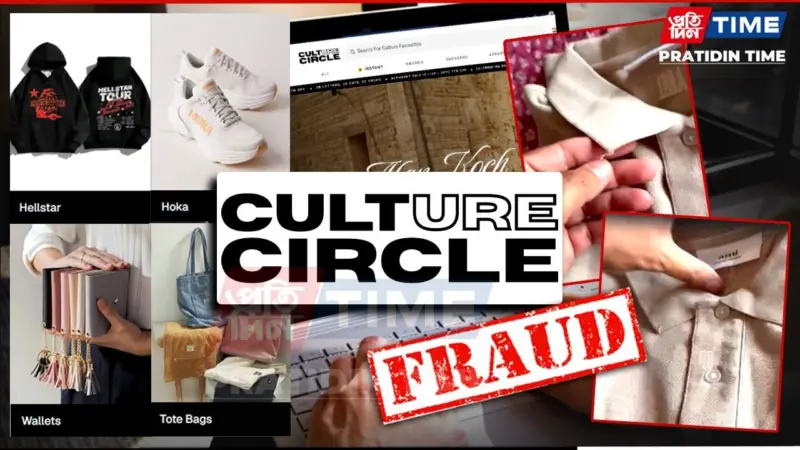

Culture Circle, the luxury streetwear and sneaker marketplace that shot to fame after securing Rs 3 crore from OYO founder Ritesh Agarwal and Snapdeal co-founder Kunal Bahl on Shark Tank India Season 4, is now facing mounting accusations of fraud, misleading claims, and the sale of counterfeit products, allegations that strike at the heart of its promises of authenticity and meticulous 'double-check' verification.
Founded by Devansh Jain Nawal and Ackshay Jain, Culture Circle was celebrated as a rising star in India’s resale and hype-fashion ecosystem. The founders even famously turned down a higher Rs 8 crore offer on the show to partner with Agarwal and Bahl, citing “strategic alignment” and long-term mentorship as their priorities. Following the televised deal, the startup trumpeted a rapid rise, claiming 4 times growth and valuations ranging from Rs 100 crore to nearly Rs 400 crore in subsequent investor conversations.
But now, the credibility of both the brand and its founders is under intense scrutiny.
Customer Complaints Paint a Disturbing Picture
A growing number of customers across social media platforms and consumer forums allege that Culture Circle has been selling them fake or substandard products while marketing itself as a fortress of authenticity. Buyers say the sneakers and streetwear they received showed clear signs of being counterfeit, poor stitching, incorrect tags, cheap material, and discrepancies from original brand specifications.
The dissonance between Culture Circle’s bold assurances and its alleged delivery is striking. The company’s branding leans heavily on trust, using phrases such as “double-verified products,” “stringent checks,” and “100 per cent authenticity guaranteed.” Yet several customers claim those assurances crumble the moment their orders arrive.
Lack of Support, Unanswered Complaints
Equally alarming to customers is the company’s reported silence. Many allege that Culture Circle’s customer service is virtually non-existent, that emails go unanswered, that messages are ignored, and that refund requests are stalled indefinitely. Some buyers say they were left with no option but to publicly call out the brand after private complaints yielded no resolution.
Consumer rights advocates warn that, if proven, such practices could amount to deceptive marketing and unfair trade practices, offences that carry serious legal implications. By promising strict authentication while allegedly delivering counterfeit goods, companies expose customers to both financial loss and breach of trust.
Industry analysts say e-commerce platforms can build massive goodwill quickly through social media storytelling and influencer-driven branding. But they warn that the facade collapses instantly if the core promise, authenticity, is compromised.
“In today’s retail ecosystem, trust is currency,” one retail analyst said. “A brand may scale fast, even secure celebrity investors, but if customers feel cheated, that trust evaporates overnight.”
The skepticism is amplified because Culture Circle’s rising valuation and post-Shark Tank success were built squarely on its claim of delivering genuine, collectible fashion items; allegations of counterfeit sales strike at the foundation of its business model.
Founders Under Spotlight
With complaints continuing to surface, questions are mounting about what Devansh Jain Nawal and Ackshay Jain knew, and when. Both founders have aggressively promoted Culture Circle as a safe, reliable platform at a time when sneaker counterfeiting is widespread. If investigations confirm that the company’s verification system was exaggerated or non-existent, the founders may face scrutiny from both consumers and regulatory bodies.
As the controversy deepens, Culture Circle has yet to issue a clear public response addressing the allegations. Investor-backed or not, the company now stands at a critical turning point. The same rapid online growth that once made it a celebrated startup could now accelerate the backlash.
For customers, the message is clear: be cautious, double-check seller credibility, and do not rely solely on a platform’s self-declared promises of authenticity.