

India has a counterfeit supplement problem. Most people find out the hard way.
The Indian protein market is worth thousands of crores - and a surprisingly large chunk of it is either fake, adulterated, or simply not what the label claims.
That jar promising 25g of protein per scoop may be packed with cheap fillers, delivering far less actual nutrition than you're paying for. The scary part? Most people can't tell. Here's what to look for.
1. The price seems too good to be true
It usually is. Authentic whey protein costs money to manufacture, import, and quality-check. If a 2kg tub of a premium brand is selling at 80% below market rate, something is off - either it's counterfeit, expired, or sourced through grey-market channels nobody can vouch for. Real protein has a floor price. Anything suspiciously below it should raise a flag.
2. The label has spelling mistakes or blurry print
Sounds obvious, but counterfeit products routinely give themselves away through poor packaging. Look closely at font consistency, logo sharpness, and the fine print on the nutrition panel. Legitimate brands invest heavily in packaging quality. A slightly off logo or a smudged batch number is not a printing accident - it's a red flag.
3. The mixability is unusually poor - or unusually good
Adulterated proteins often mix differently from the real thing. Clumping, a gritty texture, or a strange film on top can indicate fillers, cheap amino acids, or low-grade protein sources. Conversely, a powder that dissolves suspiciously fast and perfectly may have been cut with substances that have nothing to do with protein.
4. The taste is inconsistent batch to batch
If you've been buying the same product for months and one tub suddenly tastes noticeably different - sweeter, chalkier, or just off - that's worth paying attention to. Legitimate manufacturers maintain tight quality control. Counterfeit operations don't.
5. There's no way to verify it came from the brand directly
This is the biggest one. If the platform you're buying from sources from third-party sellers, has no direct brand relationship, and publishes no lab reports, you are essentially taking their word for it. In a market this unregulated, that word isn't worth much.
So what do you actually do?
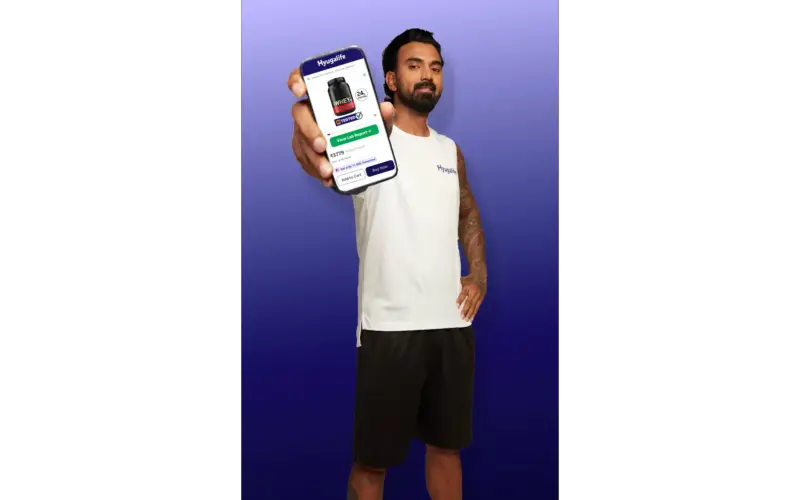
Buy from platforms that source directly from brands, test independently, and publish the results publicly. Hyugalife, an online marketplace for protein and supplements, built its entire model around exactly this: every product sourced direct from the brand, a significant portion independently lab-tested through its H-Tested program, with full reports published on the product page before you buy. No guessing. No hoping. Just the actual data. It's the kind of infrastructure that caught the attention of KL Rahul, who is now an investor in the platform.