




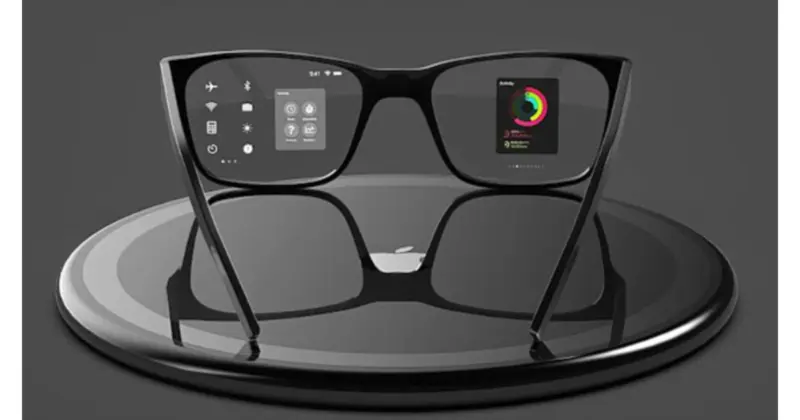

Apple AI smart glasses are shaping up to be one of the company's most ambitious bets in wearables yet. Early reports suggest a lightweight pair of glasses that lean on cameras, voice and gestures rather than flashy augmented reality displays.
According to details first reported by MacRumors and other outlets, Apple is developing AI-powered smart glasses aimed squarely at rivals such as Meta's Ray-Ban Meta glasses. The first-generation Apple AI smart glasses are expected to feature two cameras: a high-resolution lens for photos and video, and a lower-resolution wide-angle camera to read hand gestures and provide visual input to Siri.
To keep the frame slim and battery-friendly, Apple is not expected to include a display, LiDAR or 3D sensors in this initial version, marking a clear break from the bulkier Vision Pro headset. Instead, the glasses are understood to focus on lightweight, everyday use, with functions such as hands-free shooting, making calls and asking Siri contextual questions about what is in front of you.
Behind the scenes, Apple is reportedly testing several frame styles, including acetate builds, a plant-based material valued for being lighter and more flexible than standard plastic. The Apple AI smart glasses are expected to run on a more capable version of Siri, tied to Apple's broader plan to roll out upgraded on-device AI features alongside iOS 27.
This approach fits a wider strategy: Apple has already embraced gesture-based input with Vision Pro and is rumoured to be exploring camera-equipped AirPods that can also read subtle user movements. Together, these devices could form a tightly integrated ecosystem in which Apple AI smart glasses act as a discreet companion to the iPhone rather than a standalone AR computer.
Industry watchers are not entirely convinced that Apple can deliver everything hinted at for the first release of its AI smart glasses. Bloomberg's Mark Gurman has openly questioned whether reliable, sophisticated gesture recognition is possible with just a single low-resolution camera and no extra hardware such as neural bands or eye-tracking, suggesting some of the more advanced controls may slip to later models.
Launch timing also remains a moving target, with multiple reports pointing to a preview around late 2026 and a commercial debut in 2027, while Apple separately explores smart glasses with integrated displays closer to 2028. For now, consumers who want camera-equipped eyewear have options like Ray-Ban Meta glasses, which already offer photo and video capture, open-ear speakers and Meta AI assistance, but lack tight integration with Apple's ecosystem.
Rumours paint Apple AI smart glasses as a cautious but potentially influential step towards ambient, always-available AI rather than a full AR revolution on day one. If Apple can blend natural-feeling gesture controls, upgraded Siri and comfortable design, the glasses could quietly become the company's next everyday device, yet expectations should stay grounded until the first-generation hardware proves what it can really do in the wild.