

ChatGPT reference photo feature is the latest experiment from OpenAI, and it could quietly change how people make viral AI image trends on their phones.
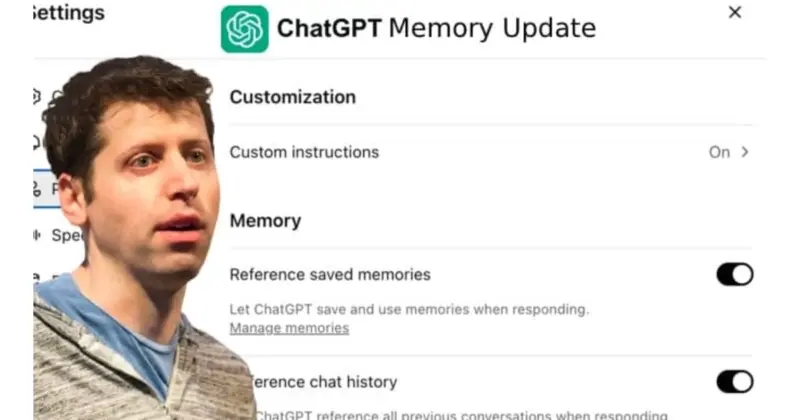
OpenAI is testing a new feature in the ChatGPT Android app that lets users save a single "reference photo" inside the Memories section, instead of uploading the same picture over and over again. Spotted in version 1.2026.104 of the Android beta, the ChatGPT reference photo feature is currently hidden in the code and not rolled out to everyone. Early tests suggest users can pick an image from their gallery or take a fresh selfie, store it as a reference, and later replace or delete it at any time.
Right now, the feature appears to focus on storage and management, not full image generation. Users can upload and manage their reference photo, but they reportedly cannot yet use it to generate new AI images directly in the app. Even so, the idea is clear: once active, the ChatGPT reference photo feature could make it far easier to join viral trends, from "golden hour" portraits to Bollywood-style saree edits, without repetitive uploads.
If fully launched, the ChatGPT reference photo feature would streamline AI image workflows for influencers and casual users alike, cutting friction from trend-hopping on social media. However, the same convenience raises inevitable questions about how long these reference photos are stored, how securely they are held, and what controls people will have over biometric-like data such as their faces. OpenAI signals some protection by letting users replace or remove images, keeping visible control in the Memories interface, but detailed policies around retention and internal use are not yet public.
Once the ChatGPT reference photo feature rolls out more widely, the basic flow is expected to be simple: open the ChatGPT app, go to Settings, head into Memories, choose the reference photo option, add a selfie or gallery shot, save it, and reuse it whenever creating AI images. Users would be able to come back to the same menu to swap the picture or delete it entirely, allowing them to reset their AI "avatar" as trends and comfort levels change.
For OpenAI, the ChatGPT reference photo feature is another step toward more personalised, memory-driven AI tools, but it also moves closer to sensitive territory around identity and facial data. If OpenAI can pair slick trend-making tools with transparent privacy safeguards, the feature could feel like a welcome shortcut rather than a risky trade-off for millions of Android users.