
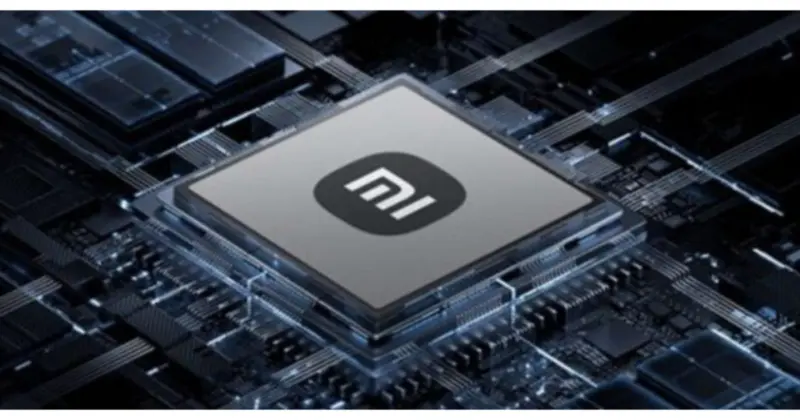

Xiaomi in-house chips are moving to a yearly refresh cycle, in a push that underlines the Chinese electronics giant's long-term bet on custom silicon and artificial intelligence.
Speaking on the sidelines of Mobile World Congress 2026 in Barcelona, Xiaomi president Lu Weibing said the firm intends to launch a new smartphone processor every year as part of a multi-year semiconductor roadmap. The next Xiaomi in-house chips are expected in 2026, following the debut of the XRing O1 system-on-chip in 2025. Fabbed on TSMC's 3nm process, the XRing O1 powers devices such as the Xiaomi 15S Pro and Xiaomi Pad 7 Ultra, and is positioned to rival flagship chips from Qualcomm, MediaTek and Apple.
Lu described chip design as a strategic, long-term investment, with Xiaomi committing at least 50 billion yuan over a decade to its semiconductor efforts. While the first-generation XRing O1 has been limited to China so far, Xiaomi now plans to deploy future Xiaomi in-house chips in smartphones sold in global markets as well.
Xiaomi is also preparing a new AI assistant for international users, building on its existing Xiao AI service used in China. Lu indicated that the overseas assistant could combine Xiaomi's own AI models with Google's Gemini, mirroring moves by rivals such as Samsung. The company wants this AI platform, powered by Xiaomi in-house chips, to run seamlessly across smartphones and its growing electric vehicle line-up.
Xiaomi has previously said it aims to begin selling its electric vehicles in Europe from 2027, with AI features expected to be tightly integrated into in-car systems. Lu told CNBC that when Xiaomi's cars reach overseas markets, its AI "agents" will accompany them, hinting at a unified experience linking phones, cars and other devices through Xiaomi in-house chips and software.
By committing to annual Xiaomi in-house chips and a worldwide AI assistant, Xiaomi is trying to emulate the tight hardware-software integration seen at Apple and Google while extending that formula into electric vehicles. The strategy is bold, and the technical and commercial challenges are significant, but if Xiaomi executes, its in-house silicon and AI stack could become the backbone of a far broader global ecosystem than its smartphones alone.