




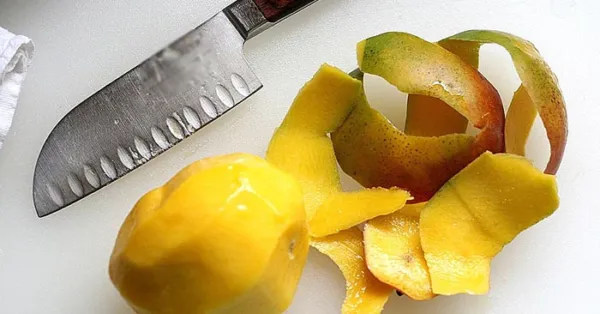

Mangoes are a seasonal delight, bursting with sweetness and flavor-but what about the peel? Most of us discard the skin without a second glance.
However, mango peel is actually edible and nutrient-rich, offering potential health benefits if consumed properly.
So, is mango peel safe to eat? Yes, it is non-toxic and packed with dietary fibre, antioxidants like mangiferin and quercetin, and even carotenoids that benefit the skin. Still, the bitter taste and tough texture of the peel can be off-putting, and it may trigger allergic reactions, especially in people sensitive to poison ivy or cashew skins.
If you're considering eating mango skin, make sure to clean it thoroughly to remove pesticide residues. Simple and natural cleansing methods include soaking mangoes in salt and turmeric water, a baking soda bath, or a vinegar rinse. Scrubbing gently with a soft cloth or brush can also help.
Nutritionally, mango skin is a fibre powerhouse, helps in digestion, and may support blood sugar regulation. It's also rich in vitamin E and carotenoids, contributing to healthier skin and offering anti-ageing properties.
To make mango peel more palatable, try blending it into a spicy chutney, drying and powdering it for smoothies, or even infusing it in teas or water. Fermenting the peel into a fruity vinegar is another innovative option, especially for salad lovers. So next time you're slicing a mango, think twice before tossing the peel-you might be throwing away a hidden superfood.