




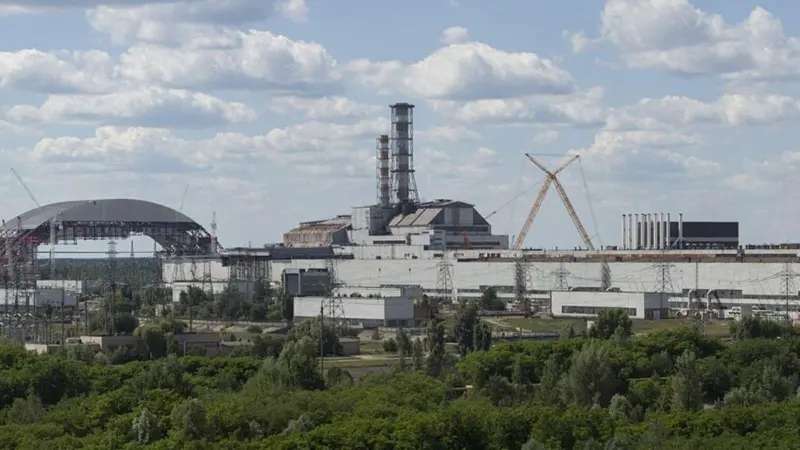

For years, the nuclear industry maintained that a catastrophe on the scale of the Chernobyl disaster was virtually inconceivable.
That belief collapsed in the early hours of April 26, 1986, 40 years ago, when a reactor at the Chernobyl Nuclear Power Plant in Ukraine tore itself apart during a failed test, triggering a violent release of radioactive debris into the atmosphere.
The consequences were so far-reaching that the United Nations would later characterise the incident as the most severe environmental calamity ever recorded.
Photograph: Kind courtesy Ingmar Runge/Wikimedia Commons
1. Vladimir Ilyich Lenin Nuclear Power Station
The facility, commonly known as Chernobyl was, in fact, officially titled the Vladimir Ilyich Lenin Nuclear Power Station. The name Chernobyl originally referred only to the town Chernobyl rather than the power station itself.
Photograph: Kind courtesy Фактичний власник сайт ДСП "Чорнобильська АЕС"+IAEA Imagebank/Wikimedia Commons
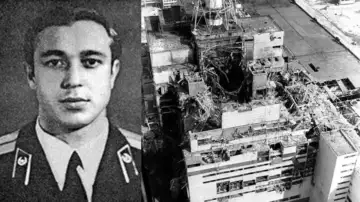
2. A Firefighter's Final Call
Vladimir Pravik was among the very first responders. He arrived at the Chernobyl Nuclear Power Plant in the early hours of April 26, 1986. His eyes changed from brown to blue. Within just over a fortnight, the devastating effects of acute radiation sickness took hold and Pravik tragically lost his life 15 days after his heroic mission.
Photograph: Kind courtesy Timm Suess/Wikimedia Commons
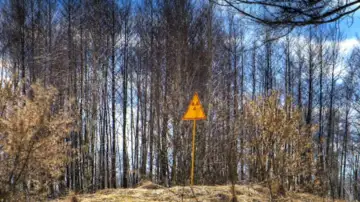
3. Red Forest
In the aftermath of the Chernobyl disaster, a stretch of woodland close to the plant became eerily transformed, earning the name Red Forest. Intense radiation exposure killed vast swathes of trees, particularly the pines, which faded to a ghostly reddish hue from their natural green.

Photograph: Kind courtesy Vincent de Groot/Wikimedia Commons
4. A Scale Beyond Wartime Blasts
The disaster unleashed an extraordinary quantity of radioactive material into the environment widely estimated to be around 200 times greater than the combined fallout from the bombings of Hiroshima and Nagasaki.
Photograph: Kind courtesy slawojar 小山/Wikimedia Commons
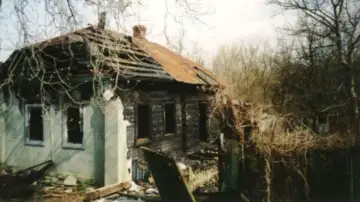
5. A Ghost Town
Pripyat remains one of the most heavily-contaminated areas following the Chernobyl disaster and is expected to stay devoid of permanent human life for the foreseeable future. Lingering within its soil and structures are traces of plutonium, a highly hazardous substance.

Photograph: Kind courtesy Cls14/Wikimedia Commons
6. From Disaster Site To A Place For Dark Tourism
In a striking turn of events, the area surrounding the Chernobyl disaster has become accessible to visitors with organised tours now offering carefully managed trips into the exclusion zone.