

CSK have not successfully chased a target of 190 or more since their memorable 2018 victory against RCB.
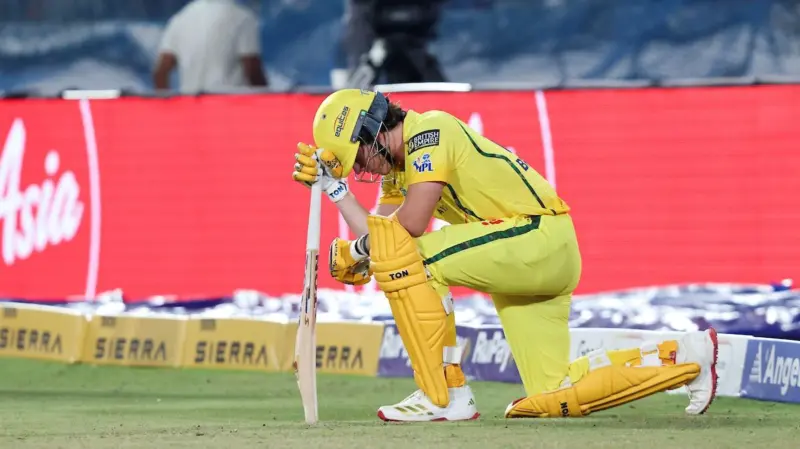
IMAGE: Chennai Super Kings face an ongoing struggle to chase high scores in the IPL. Photograph: BCCI
Key Points
- CSK have not successfully chased a target of 190 or above in the IPL since 2018.
- The 2018 win against RCB was a defining moment, showcasing CSK's ability to chase high scores.
- Recent struggles include a loss to Sunrisers Hyderabad, highlighting issues in the middle overs.
- Key dismissals and inability to maintain partnerships have contributed to CSK's chase failures.
At the M Chinnaswamy stadium in Bengaluru, Royal Challengers Bangalore had just piled up a daunting 205/8, leaving Chennai Super Kings with a chase that looked beyond reach for most.
What followed became one of the most extraordinary run chases in IPL history and as it stands, the last time CSK successfully overhauled a target of 190 or more.
It was a defining night in their comeback season after a two-year ban -- a squad dubbed 'dad's army' turning back time with a performance that stunned the league.
The Night CSK Tore RCB Apart
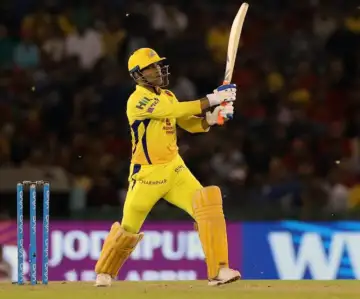
Ambati Rayudu set the tone with 82 off 53 balls, while M S Dhoni finished the job in trademark fashion with 70 off 34.
Earlier, RCB had piled on runs through Quinton de Kock's 53 and A B de Villiers' blistering 68 off 30, but CSK's batting unit responded with clarity under pressure.
CSK hit 33 sixes in a game that swung wildly but ultimately ended in control.
The Eight-Year IPL Chase Drought
Since that euphoric night in Bengaluru in 2018, CSK have not once successfully chased a target of 190 or above in the IPL -- a drought that has now stretched eight years and counting.
It is a statistic that speaks volumes about both the evolution of T20 scoring and the structural challenges that have shadowed CSK's batting line-up in recent seasons.
Recent Chase Failures: The SRH Match

The most recent reminder came in the 2026 edition when CSK faced Sunrisers Hyderabad and needed 195 to win on Saturday night in Hyderabad.
CSK finished on 184/8 while chasing 195, a target that briefly looked within reach during the middle phase. At 66/3 and requiring 84 from the final 10 overs, they were positioned well with set batters at the crease and wickets in hand. However, the chase unravelled quickly.
The turning point arrived through back-to-back dismissals of Sarfaraz Khan and Dewald Brevis, which stalled progress at a crucial stage. From there, the innings lost shape, and the required rate began to climb sharply, forcing increasingly high-risk options.
Factors Contributing to CSK's Chase Struggles
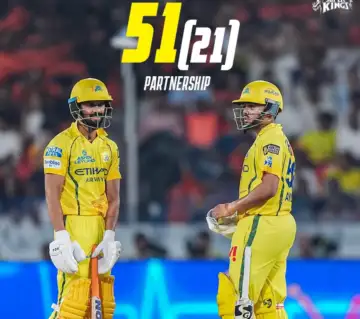
Earlier setbacks also hurt CSK's rhythm. Sanju Samson fell early despite his strong record at the venue while Ruturaj Gaikwad failed to convert his start. A hamstring concern for Ayush Mhatre further disrupted stability in the chase, limiting fluency at a time when partnerships were essential.
Shivam Dube, entrusted with the finishing role, struggled to find rhythm and was eventually bowled by Sakib Hussain, a key moment that effectively shut the door on CSK's hopes. Jamie Overton also failed to time the ball consistently, unable to shift gears when the asking rate climbed.

Even the final phase reflected SRH's composure. With 18 needed in the last over, Praful Hinge, despite earlier pressure as he had conceded 54 runs in 3 overs, held his nerve and conceded just 7 runs, taking the wicket of Overton to close out the contest.
The pattern of losing control after a promising start continues to define CSK's struggles in 190-plus chases in recent seasons.
The 2018 win over RCB was not just a chase -- it was a statement. Eight years on, CSK are still waiting to make that statement again.