
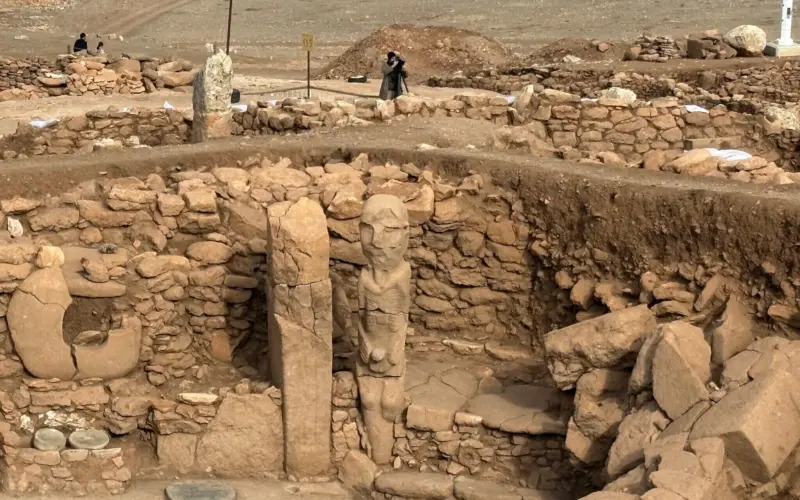

Türkiye continues to reinforce its position as one of the world's most significant archaeological landscapes, with a series of major discoveries in 2025 shedding new light on ancient civilisations across Anatolia . Driven by the government-backed "Legacy to the Future Project," excavation efforts have expanded nationwide, positioning the country as a living repository of human history.
Neolithic Discoveries in Southeastern Türkiye
Key findings emerged from the Taş Tepeler Project in Şanlıurfa, which marked its fifth anniversary in 2025. At Karahantepe, archaeologists uncovered a small vessel featuring three animal figures-believed to be among the earliest known three-dimensional mythological representations. A T-shaped pillar carved with a human face was also discovered.
At the UNESCO-listed Göbeklitepe, researchers identified a human figure embedded within a wall, likely used as a votive offering. Additional discoveries included a human sculpture with a stitched mouth at Sayburç and dual human face reliefs along with a double-faced bead at Sefertepe.
Ancient Troy Reveals Symbols of Power
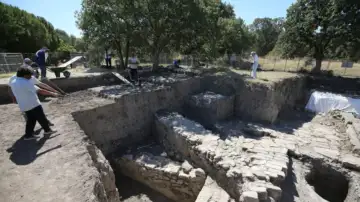
Excavations at Troy in Çanakkale uncovered a rare golden brooch dating back to around 2500 BCE, alongside a jade stone believed to have been part of a luxury item. The brooch, one of only three known examples globally, is considered among the most significant archaeological discoveries of the past century, highlighting early expressions of wealth and status.
Ottoman Maritime History Beneath the Sea
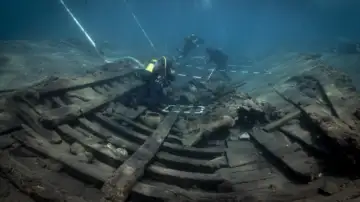
Underwater excavations at the Kızlan Ottoman Shipwreck near Datça revealed extensive insights into 17th-century maritime life. Artefacts recovered include rifles, grenades, thousands of bullets, Ottoman-era tobacco pipes, and Chinese porcelain, offering a rare glimpse into naval trade and military history.
4,500-Year-Old Idols in Western Anatolia
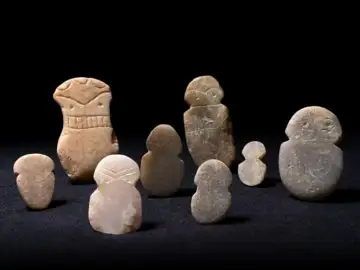
At Tavşanlı Höyük in Kütahya, archaeologists discovered a collection of 4,500-year-old idols made from marble, bone, and terracotta. Arranged around a hearth, these artefacts provide valuable insight into early religious practices in the region.
Rare Medusa Depiction in the Black Sea Region
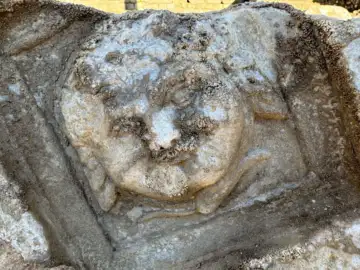
Restoration efforts at the ancient city of Amastris in Bartın uncovered a rare smiling depiction of Medusa within a nearly 2,000-year-old stoa. The find offers a unique interpretation of the mythological figure, traditionally portrayed as fearsome.
Ephesus Links to Ancient Trade Networks
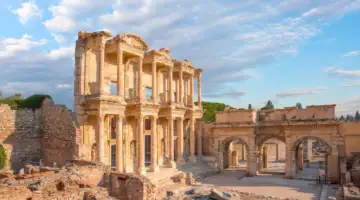
At the UNESCO-listed Ephesus in İzmir, a terracotta incense burner featuring the Egyptian deity Serapis was uncovered. An inscription linked it to a previously discovered artefact, suggesting the presence of a local workshop or established trade networks.
Early Christian Ritual Evidence in Karaman
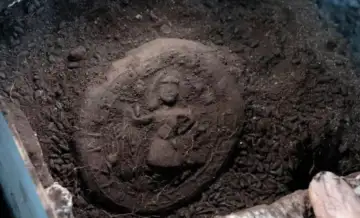
Excavations at Topraktepe in Karaman revealed five carbonised loaves dating back to the 7th-8th centuries CE. Decorated with Maltese cross motifs and imagery of Jesus Christ, these are believed to have been sacramental breads used in early Christian ceremonies.
Largest Urartian Storage Complex in Van
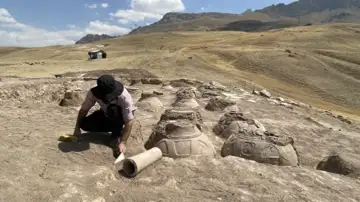
In eastern Türkiye, excavations at Kevenli Castle near Mount Erek uncovered 76 cuneiform-inscribed pithoi-large storage vessels used by the Urartians. This discovery represents the largest known storage complex of its kind in the Van region.
Collectively, these discoveries highlight a transformative year for archaeology in Türkiye, offering deeper insights into human civilisation-from prehistoric societies to ancient empires and early religious practices. The findings not only enhance academic understanding but also strengthen Türkiye's position as a leading destination for cultural tourism and heritage exploration.