





Institutionalizing Intimate Baithaks: Reviving the Royal Listening Culture of Indian Classical Music – Dr. RatishTagde
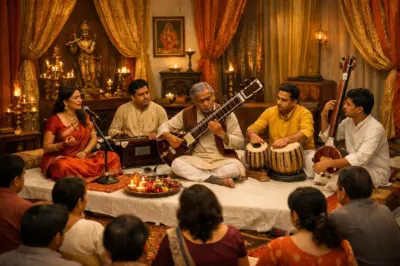
For centuries, Indian classical music flourished in intimate settings. The original ecosystem of this music was not the modern auditorium, but the royal darbar, temple courtyard, and private mehfil. In these spaces, musicians and listeners shared a close and immersive experience. The audience was small, attentive, and deeply engaged. There was eye contact, conversation, and even spontaneous requests. The performance unfolded naturally, often without rigid time limits.
The baithak tradition represents this very culture. The word “baithak” itself implies sitting together in a circle of listening and sharing. Historically, such gatherings were supported by kings, patrons, and connoisseurs who valued music as a refined art rather than merely a public spectacle. The relationship between the artist and the listener was personal and respectful. Music was not consumed—it was experienced.
Over time, however, the ecosystem of Indian classical music began to change. With the decline of royal patronage and the rise of public institutions, music gradually moved from the intimate darbar setting to large concert halls. While this transition expanded audiences and made the music more accessible, it also altered the listening culture. Time slots became fixed, the distance between artist and audience increased, and the deeply interactive nature of the performance slowly diminished.
In recent years, many musicians and rasikas have begun to rediscover the unique power of the baithak format. The intimacy of a small gathering allows artists to perform with greater freedom and emotional authenticity. Listeners, in turn, become more attentive and involved. The atmosphere encourages dialogue, learning, and deeper appreciation of the music.
However, for this revival to be sustainable, baithaks cannot remain occasional informal gatherings alone. They must be systematically nurtured and organized. The institutionalization of baithaks—through structured networks, guidelines, and support systems—can help revive this listening culture on a wider scale. Such initiatives can connect hosts, musicians, and audiences across cities while maintaining the essence of intimacy that defines the baithak experience.
In many ways, this movement represents a return to the royal ethos of Indian classical music, not in terms of monarchy, but in terms of the respect, attention, and depth with which the music is received. By institutionalizing intimate baithaks, we are not merely organizing concerts; we are rebuilding the cultural ecosystem that once allowed this music to flourish. In doing so, we may rediscover the original spirit of Indian classical music—an art meant to be experienced in closeness, contemplation, and shared musical dialogue.
About the Author
Dr. Ratish Tagde is an acclaimed Indian classical violinist, cultural researcher, and cultural entrepreneur. He is the founder of the 24-hour Indian classical music television channel Insync, founder of the Centre for Research & Promotion of Indian Music (CRPIM), and President of the Musicians Federation of India (MFI). Through initiatives such as the CRPIM Baithak Network and his writings on the evolving digital ecosystem of Indian classical music, he works towards strengthening opportunities for traditional musicians and expanding the reach of India’s musical heritage.