





DRESSING FOR FESTIVALS ’26
Festive Power Dressing: Why the Saree Is India’s Eternal Style Statement
By Preeti Juneja
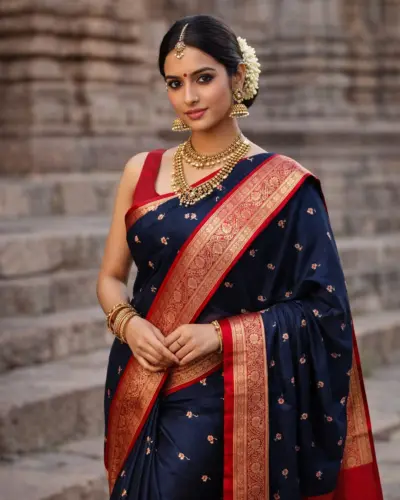
Sarees are back, and they are here to stay. What is new is the way this beautiful garment is being draped and styled. The coming together of traditional Indian weaves and contemporary silhouettes is creating a bold, distinctive statement, with vibrant shades and unexpected colour combinations taking centre stage this festive season.
From the rich Banarasi weaves to Kota, Patan and Bhagalpur, traditional textiles are being paired with modern blouses to create a chic, ethnic look that appeals to women across generations.
The Saree as Power Dressing
I believe there is a growing need for power-dressing sarees in festive colours, particularly for working women. House of Sodesii, a premium handloom saree brand for women who lead, recognises this shift. Its Utsav Collection brings together festive dressing, traditional craftsmanship and contemporary elegance for festivals, pujas and celebrations within corporate culture.
The saree is no longer merely an occasion-specific outfit. It is increasingly becoming a statement of personal style, confidence and cultural identity.
Investing in a Legacy
Legacy and heirloom sarees are gradually taking precedence over fast-fashion trends in the world of Indian ethnic wear. A saree is no longer just a garment; it is an investment in resham, craftsmanship and heritage.
Handloom sarees command premium prices because of the skilled labour involved, the cost of silk, cotton and zari, and the time required to create intricate designs. According to traditional weavers, the nuances of age-old weaving techniques cannot simply be replicated by power looms. A single saree can take days, weeks or even months to complete, depending on the complexity of its weave.
The beauty of a handloom saree lies in its individuality and the artistry woven into every detail. More women are choosing pure, premium and exclusive pieces that can be preserved and passed down to the next generation. For many discerning customers, authenticity and the complexity of the weave matter as much as the design itself.
Beyond Primary Colours: The Power of Colour Combinations
Festivals ’06 is not simply about conventional festive colours such as red, green, blue and yellow. It is about exploring distinctive combinations that stand out while retaining a sense of sophistication.
I expect traditional weaves such as Paithani, Patola, Ilkal, Narayanpet, Pochampally and Banarasi to command attention. The focus will extend beyond the overall design to the intricacies of the weave, the richness of the borders and the artistry of the pallu. These details are what distinguish a truly exceptional saree.
The Artistry of Banarasi
Banarasi sarees offer an extraordinary range of weaving techniques and design traditions. Two notable techniques are Kadwa (also written as Kadua) and Phekwa. Popular design styles include Jaal or Jangla, Shikargah, Tanchoi, Rangkat, Butidar and Jamdani.
Banaras has also become a centre where diverse design influences and weaving traditions inspire new interpretations of the saree. The range of fabrics extends from pure Katan silk, mulberry silk and Chinia silk to Mashru and mercerised cotton, with corresponding options in sarees and suits.
Festive dressing is no longer restricted to bright colours and silk sarees reserved for special occasions. Fabrics such as pure Khaddi Georgette, Mul Chanderi and satin are also finding favour, offering versatility for celebrations throughout the year.
Five Trends Shaping Festive Saree Dressing
As an avid saree enthusiast and promoter, I have been observing emerging preferences through online platforms and offline women's communities. Five shifts stand out this season:
1. Sarees as power dressing: Elegant festive colours and contemporary styling for professional women.
2. Heirloom over fast fashion: A growing appreciation for sarees that retain their value through craftsmanship and cultural significance.
3. Distinctive colour combinations: Moving beyond conventional festive palettes to more individual, sophisticated pairings.
4. Weave-led choices: Celebrating the identity and intricacy of regional Indian weaving traditions.
5. Versatile, premium fabrics: Choosing textiles that can be worn beyond a single festival or special occasion.
Through our events and educational workshops on India's traditional weaves, we encourage more women to embrace sarees and feel beautiful, confident and graceful at formal events and in the workplace.
Keeping India's Textile Heritage Alive
India possesses an extraordinary textile heritage. My conversations with weavers, my efforts to source exquisite handloom sarees directly from them, and my dialogues with leading designers and C-suite women professionals have only strengthened my belief that the saree is truly timeless.
For Indian women, it can be a lifelong wardrobe essential—one that evolves with changing tastes without losing its cultural significance. The garment remains eternal; it is the trends, styling and ways of wearing it that change from year to year.
The Final Word: Wear Your Heritage with Confidence
This festive season, choose a saree that makes a statement through its colour combination, craftsmanship and individuality. Explore traditional weaves from different regions of India rather than limiting yourself to plain fabrics, simple block borders or conventional stripes.
Invest in authentic fabrics and support local artisans whose skills preserve India's textile legacy. These sarees can become treasured heirlooms for generations to come.
And remember, luxury does not always mean pure silk. A Chanderi saree woven in a silk-cotton blend, for instance, can offer a beautiful sheen reminiscent of gold while remaining versatile and elegant.
The saree is more than an outfit. It is heritage woven into a form of expression—one that allows every woman to celebrate her identity, lead with confidence and carry tradition into the future.
#festival #sareelook #Trending