




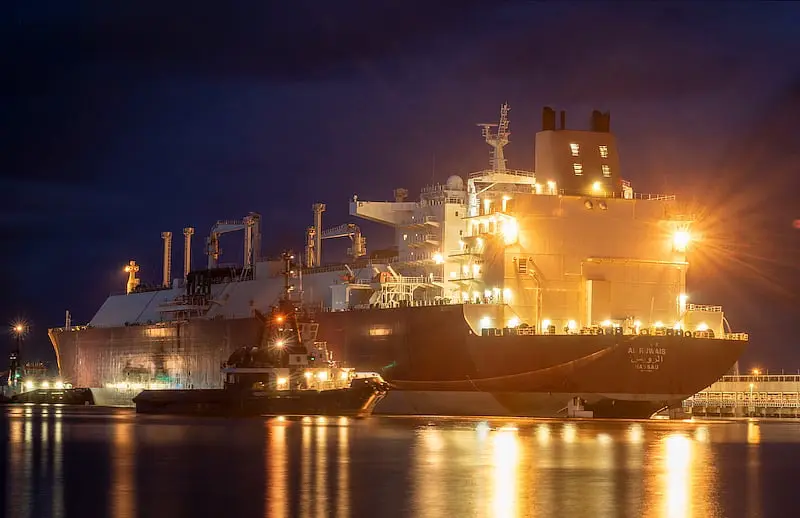

The Central Board of Indirect Taxes and Customs (CBIC) has introduced remote cargo clearance measures that eliminate the routine requirement for customs officers to physically board ships before granting operational approvals.
The new system, notified through a circular issued last week, targets accelerated cargo handling, improved turnaround time at ports, and promotes a more technology-driven customs administration framework across the country.
Under the revised mechanism, customs authorities will now process vessel entry and departure clearances remotely once the required documentation and compliance checks are completed electronically.
The CBIC has also made online filing of cargo declaration documents mandatory through the Sea Cargo Manifest and Transhipment Regulations framework.
These include digital submission of the 'sea arrival manifest' and 'sea departure manifest', enabling customs officials to examine cargo information and issue approvals without requiring physical interaction at ports in most cases.
Officials said the reform is part of a broader push towards faceless, paperless and risk-based customs operations designed to improve efficiency in India's maritime logistics ecosystem.
The board has directed customs field formations to grant "entry inward" and "sail-out clearance" promptly after verifying documents and completing prescribed scrutiny procedures, without insisting on routine boarding inspections.
Physical inspection of vessels by customs personnel will now be restricted to cases identified through risk assessment and profiling mechanisms.
According to the CBIC, customs authorities have been advised to develop screening systems based on factors such as compliance history, voyage details, cargo sensitivity and security considerations before deciding whether physical boarding is necessary.
The move is expected to reduce vessel detention time at ports, lower logistics costs and support faster cargo movement for shipping operators and traders.
It is also expected to reduce direct physical interface between shipping operators and customs personnel at ports, a long-standing concern flagged by sections of the maritime and logistics industry.
Stakeholders have, over the years, raised complaints about delays, discretionary inspections and alleged corrupt practices linked to mandatory boarding procedures carried out before vessel clearance.
Please click here to add Swarajya as your preferred and trusted news source on Google