




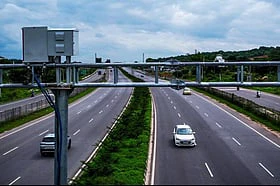

India's first barrier-less, multi-lane free flow (MLFF) tolling system recorded around 41,500 vehicles at the Chorayasi Toll Plaza on the Surat-Bharuch stretch of NH-48 in Gujarat on its first day of operations yesterday (2 May), marking a significant shift in the country's highway infrastructure.
The Ministry of Road Transport and Highways released official data confirming the successful launch of the Multi-Lane Free Flow system.
The National Highways Authority of India implemented the system using Automatic Number Plate Recognition cameras and FASTag-based electronic toll collection, allowing vehicles to pass through without stopping.
The barrier-less framework aims to ensure seamless traffic flow with minimal human intervention while reducing congestion, cutting travel time, improving fuel efficiency and lowering vehicular emissions on national highways.
Union Road Transport and Highways Minister Nitin Gadkari announced the launch on 1 May, describing it as a major milestone in the digitisation of India's tolling ecosystem.
The system, developed at an estimated cost of Rs 16 crore, features overhead arches equipped with high-speed scanners and around 30 advanced cameras, with monitoring supported by LiDAR, radar and antenna-based technologies.
The move comes as FASTag penetration has crossed 98 per cent, significantly transforming toll collection practices across the country.
NHAI has advised highway users to maintain adequate balance in their FASTag accounts, as insufficient balance or invalid FASTag will trigger electronic notices requiring payment within 72 hours, failing which double toll charges may be levied.
The government plans to float tenders for MLFF at around 200 toll plazas in the current financial year, with a broader target of 1,200 toll plazas and eventual nationwide rollout.
Officials estimate the system could shorten travel time by 20 to 30 per cent while also reducing fuel consumption from idling vehicles and lowering emissions.