
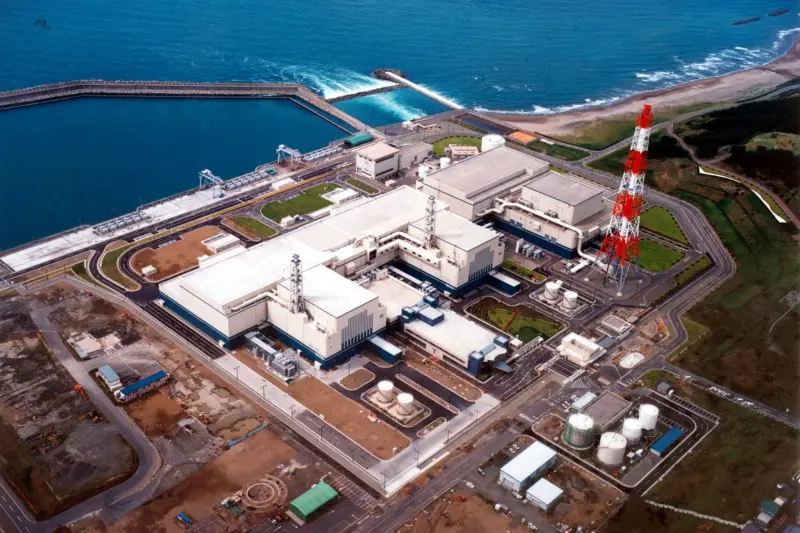

Tokyo Electric Power Company Holdings started commercial operations at the world's largest nuclear power plant today (16 April), marking the utility's first nuclear facility to resume full operations since the Fukushima disaster in 2011.
The Kashiwazaki-Kariwa plant in Niigata prefecture becomes operational 14 years after its final reactor was stopped following the meltdown at TEPCO's Fukushima Daiichi facility.
The restart of the 1,356-megawatt reactor No. 6 follows months of technical challenges and delays.
After initially restarting in January, the reactor was suspended within hours due to a control rod alarm malfunction.
The utility restarted the reactor again in February, with commercial operation originally targeted for 18th March.
However, further complications arose when an alarm indicating an electricity leak from the reactor's generator triggered another suspension in mid-March.
TEPCO completed repairs by replacing a damaged part susceptible to vibrations, allowing power generation and transmission to resume to the Tokyo metropolitan area.
The seven-reactor Kashiwazaki-Kariwa facility can generate 8,212 megawatts when fully operational, sufficient to power 16 million households.
Japan shut down all 54 reactors following the March 2011 earthquake and tsunami that triggered the Fukushima accident, and only 14 reactors have since returned to operation.
The plant, located approximately 220 kilometres north-west of Tokyo, underwent extensive safety upgrades including a 15-metre-high tsunami wall. Prime Minister Sanae Takaichi has been pushing for nuclear power expansion to strengthen energy security and reduce reliance on imported fossil fuels.
Nearly 40,000 people signed a petition opposing the restart, citing the plant's location on an active seismic fault zone.
Please click here to add Swarajya as your preferred and trusted news source on Google