




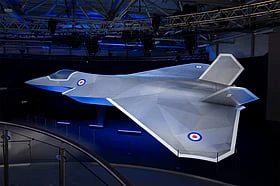

United Kingdom is facing a critical funding deadline for its next-generation fighter jet programme with Japan and Italy, with bridge funding for the Global Combat Air Programme (GCAP) expiring at the end of June.
More than 4,000 personnel across BAE Systems, Rolls-Royce and Leonardo are working on the project in UK, but BAE executive Herman Claesen warned that companies could be forced to redeploy engineers if long-term contracts are not finalised.
The sixth-generation stealth fighter, known as Tempest in UK service, received a £686 million contract in April intended to fund design and engineering work through June 2026 whilst longer-term financing arrangements are finalised.
The programme targets a 2035 entry into service and expects a demonstrator aircraft to fly by end of 2027, representing UK's first combat-air prototype since the Eurofighter era.
Delays in UK's Defence Investment Plan have frustrated Japanese officials, who grew increasingly doubtful about UK's commitment to GCAP amid delays with the long-awaited defence investment plan.
The UK government approved a temporary funding extension in March that allowed work on GCAP and Britain's separate combat-air demonstrator aircraft to continue after previous funding expired, serving as an emergency stopgap while London continues negotiating its much larger long-term Defense Investment Plan.
The trilateral partnership, formalised through a treaty signed in December 2023, aims to develop a twin-engine stealth aircraft featuring advanced sensors, artificial intelligence and the ability to operate alongside drone wingmen.
Britain hosts the GCAP headquarters, while Edgewing - the joint venture between BAE Systems, Leonardo and Japan Aircraft Industrial Enhancement Co. - acts as design authority for the aircraft.
Interest in the programme has grown beyond the three founding nations, with Poland and Saudi Arabia expressing interest in joining GCAP in some capacity, though no binding commitments have been made.
The project is also drawing interest from Canada, Germany, Poland, Australia and Singapore.
The £24bn programme represents a critical component of Britain's future air defence capability and supports thousands of highly skilled jobs across the defence industrial base, particularly at BAE Systems' Lancashire facilities at Warton and Samlesbury.