
It's been just a week since the outbreak of the deadly water contamination in Indore, Madhya Pradesh, and many other cities are also reporting similar episodes.
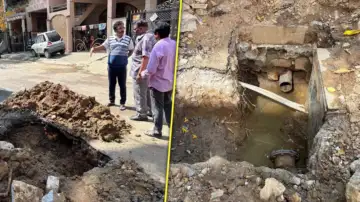
A fortnight ago, some residents, who had learned about the tragedy unfolding in Indore, reacted quickly when they found dirty, foul-smelling water coming out of decades-old pipes. They stopped using the water and contracted private tankers as an alternative source.
While some of them were still affected by water-borne diseases such as diarrhoea, it was because of their alertness and quick communication among themselves on WhatsApp that an Indore-like situation was averted. However, the residents are yet to get a permanent solution to the problem.
Indore water contamination: Guillain-Barré syndrome-like symptoms in woman?
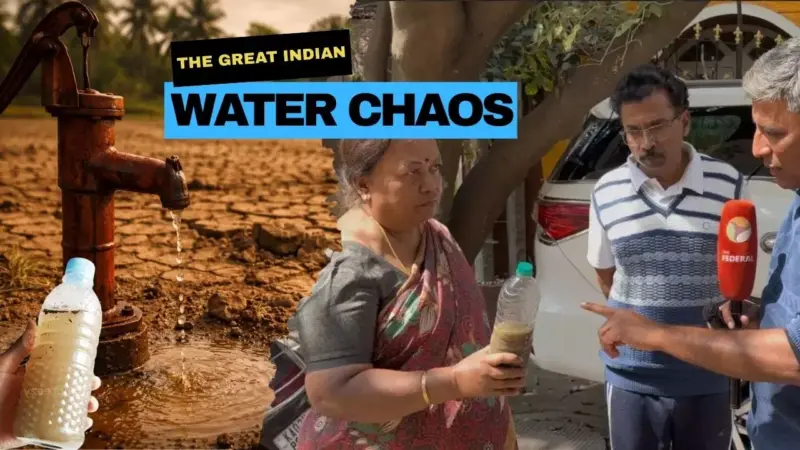
A team from The Federal Karnataka visited Lingarajapuram, located around seven kilometres from the heart of the city towards the north-east, to witness the state of affairs and also spoke to some residents to understand how they were coping with the problem.
Children were being given polluted water
Roja, a resident of KSFC and grandmother to two children, aged seven and one, expressed her concerns, saying, "We used to give our children water supplied from the water board (Bangalore Water Supply and Sewerage Board or BWSSB). Now, the water is polluted, and we are facing the threat of illness."