




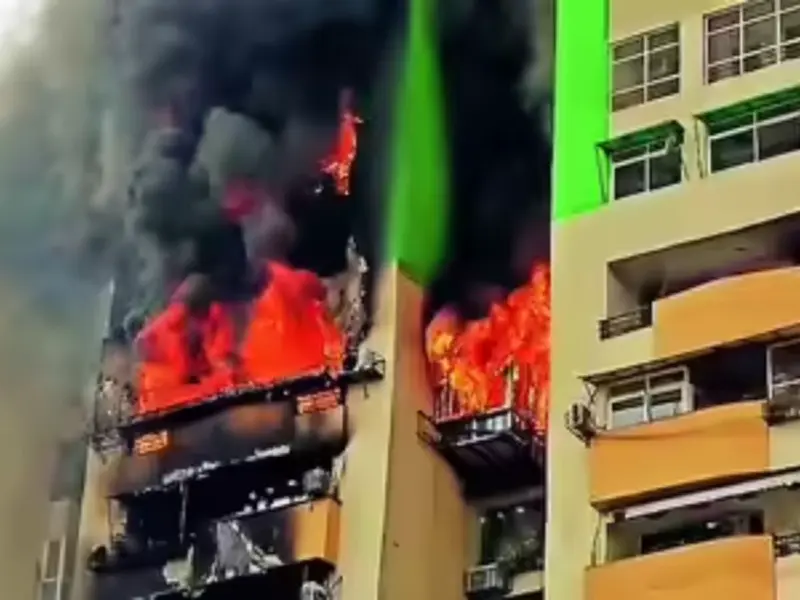

Delhi-NCR has witnessed a worrying rise in fire incidents this year, with multiple cases exposing vulnerabilities in urban infrastructure, electrical systems and safety enforcement.
In a recent incident, a transformer-related fire in East Delhi's Laxmi Nagar spread rapidly across adjacent structures, prompting evacuations and rescue operations. Officials said the blaze likely originated from electrical overload, a recurring trigger in recent cases.
In another high-profile episode, a Swiss International Air Lines flight from Delhi to Zurich reported an engine fire during take-off at Indira Gandhi International Airport. The aircraft returned safely and passengers were evacuated without major injuries, but the incident raised concerns about emergency coordination. Across residential and industrial zones, fire teams have also tackled warehouse and factory blazes involving plastic storage and chemical materials.
Fire service data show thousands of calls this year, marking an increase over previous years. Officials attribute the surge largely to electrical faults-short circuits from overloaded circuits, ageing wiring and heavy appliance use during prolonged heatwaves. A senior official said most incidents stem from preventable electrical failures and infrastructure not built for current load levels.
Experts argue rapid urbanisation has outpaced infrastructure upgrades. Dense colonies, commercial conversions and expanding industrial clusters have created high-risk zones where compliance is weak. Many buildings lack valid clearances or fail to maintain alarms, sprinklers and hydrants. A consultant noted a persistent gap between regulation and enforcement.
Industrial areas and informal settlements remain most vulnerable, with flammable materials stored in congested spaces and limited emergency planning. Narrow lanes often delay fire engine access, amplifying damage.
Governance fragmentation compounds the issue. Municipal bodies, fire services, electricity boards and development authorities share responsibility, but coordination gaps lead to delayed inspections and diffused accountability.
Experts caution that while emergency response continues under strain, prevention remains inadequate