
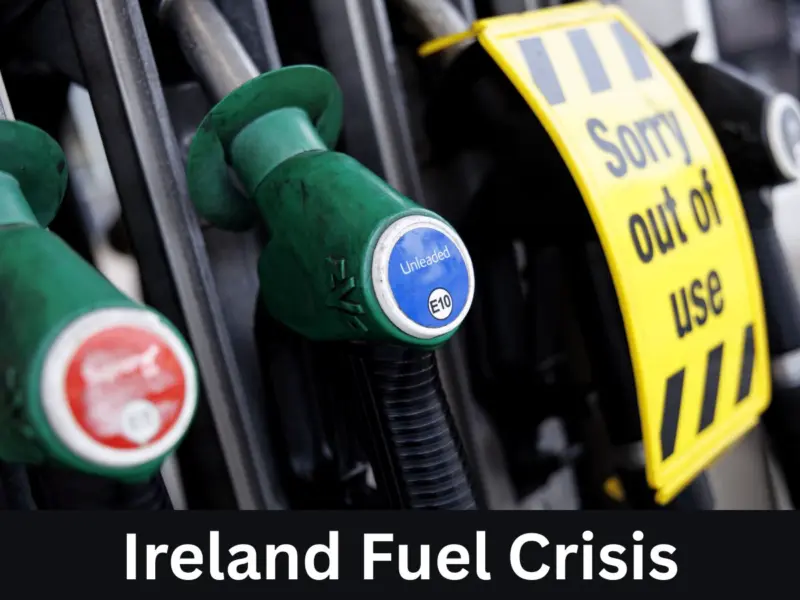

Ireland is facing a serious fuel crisis as nationwide protests and road blockades continue to disrupt petrol and diesel supplies across the country.
Hundreds of fuel stations have already reported shortages, causing panic in several regions.
Transport services and logistics networks are also under pressure as fuel deliveries slow down. The government has now stepped in and called an emergency cabinet meeting to review the situation.
Authorities are working to restore supply routes while negotiations continue with farmers, truckers, and transport groups involved in the protests. The crisis is now being treated as a national priority due to its impact on essential services.
Ireland Fuel Crisis: Irish Cabinet Meeting to Be Held to Discuss Ongoing Fuel Protests
The Irish government has confirmed that an emergency cabinet meeting will take place on Sunday. The Taoiseach will receive a full update on fuel shortages and ongoing negotiations with protest representatives.
Ministers will review security operations and supply chain disruptions affecting petrol and diesel distribution. The focus will be on stabilising fuel flow across the country. Officials say the situation has reached a critical stage and requires immediate coordination between government departments.
What is Ireland Fuel Crisis?
The Irish fuel crisis refers to widespread disruption in petrol and diesel supply caused by ongoing protests and blockades. Convoys of tractors, trucks, and vehicles have blocked major fuel routes and depots across Ireland. This has slowed down deliveries to petrol stations nationwide.
As a result, many regions are experiencing fuel shortages, transport delays, and supply chain breakdowns. The crisis has now expanded beyond local protests into a national emergency affecting daily life.
Ireland Fuel Crisis: Blockades Continue Across Ireland
The fuel protests have continued for several days, with blockades affecting key highways, refineries, and fuel depots. Over 600 petrol stations have reportedly run out of fuel due to delayed deliveries. Rural and urban areas are both impacted equally.
Transport operators are facing long delays as fuel tankers struggle to reach distribution points. Authorities say the blockades are spreading, increasing pressure on the national fuel system.
Ireland Fuel Crisis: Emergency Operation to Restore Fuel Supply
Authorities have launched emergency operations to reopen blocked fuel routes across Ireland. The Whitegate Refinery in County Cork remains a key focus area. Security forces have created controlled diversion routes for fuel tankers to bypass protest zones. These routes are being monitored continuously.
The goal is to ensure uninterrupted fuel movement to essential areas like hospitals, airports, and emergency services. Officials say restoring logistics flow is crucial to preventing a deeper national supply crisis.
Ireland Fuel Crisis: How Police & Defence Forces Responded to Blockades
Irish police, supported by Defence Forces units, carried out coordinated operations to clear protest blockades. Authorities used controlled enforcement measures, including pepper spray, to reopen critical routes. Several arrests were made during the operations.
Garda officials confirmed that repeated warnings were issued before action was taken. Police also reported incidents of intimidation against fuel tanker drivers, raising safety concerns.
Ireland Fuel Crisis Timeline: How the Situation Escalated?
- Day 1 (Tuesday): Protests begin over rising fuel prices linked to global oil disruptions.
- Day 2-3: Blockades expand to refineries and fuel depots across Ireland.
- Day 4: Fuel shortages begin affecting over 600 petrol stations nationwide.
- Day 5 (Saturday): Authorities deploy Gardaí and Defence Forces to reopen Whitegate Refinery.
- Day 6 (Sunday): Emergency cabinet meeting scheduled as crisis escalates nationwide.
The timeline shows how quickly a local protest turned into a national fuel supply disruption.
Ireland Fuel Crisis: What All is Affected?
The crisis has disrupted multiple sectors across Ireland. Public transport services in major cities have been delayed or suspended. Emergency services are also under pressure due to limited fuel availability for ambulances and fire brigades.
Freight movement and logistics operations have slowed significantly, affecting supply chains. Airports and ports are experiencing indirect delays due to road blockades and transport disruptions.
Ireland Current Fuel Prices
Fuel prices in Ireland have risen sharply in recent weeks. Diesel prices have increased from around €1.70 per litre to over €2.10 in many locations. Petrol prices have also increased, with rises of up to 25 cents per litre reported in some areas.
The price surge is linked to global oil supply disruptions and rising international demand. Protesters say these increases have made business operations unsustainable for the transport and farming sectors.
Ireland Fuel Crisis: Why the Fuel Protests Started in Ireland?
The protests began after a sharp rise in fuel prices caused by global oil supply disruptions linked to geopolitical tensions. Truckers, farmers, and transport operators argue that rising costs have made their businesses unviable.
They claim government support measures have not been sufficient to offset fuel inflation. This led to coordinated blockades of depots, refineries, and major transport routes across Ireland.
Ireland Fuel Crisis: Government Response and Political Reactions
PM Micheal Martin has warned that continued blockades could force Ireland to turn away fuel shipments during a global shortage. The government has called the situation "unacceptable" and stressed the importance of keeping essential infrastructure open.
Opposition leaders have urged the government to engage in dialogue with protesters to avoid further escalation. Authorities continue balancing enforcement action with ongoing negotiations.
Ireland Fuel Crisis: Situation Remains Tense as Talks Continue
The situation in Ireland remains tense as negotiations between the government and protest groups continue. Some fuel routes have reopened, but full normalisation has not yet been achieved.
Authorities are closely monitoring key infrastructure to prevent further disruptions. The outcome of ongoing talks and the cabinet meeting will determine how quickly the crisis is resolved.