




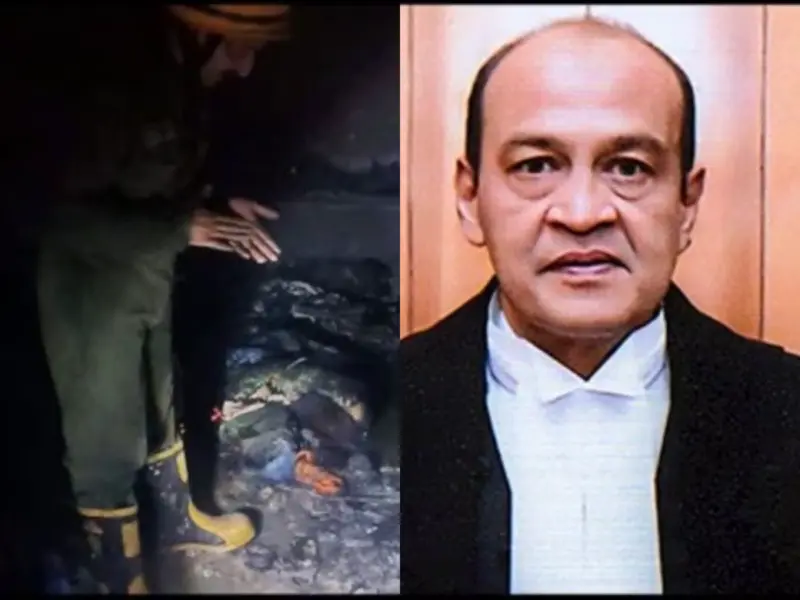

Nearly a year after a controversy involving alleged cash recovery shook India's judiciary, Justice Yashwant Varma has resigned from his position, marking a major development in one of the most widely discussed judicial cases in recent times.
The resignation comes at a stage when investigations and parliamentary proceedings related to the allegations were progressing. The development has drawn national attention because the case raised serious questions about judicial accountability, procedural responsibility, and public trust in institutions.
Officials confirmed that Justice Varma submitted his resignation to President Droupadi Murmu, bringing a significant shift in the ongoing case timeline.
Legal experts believe the resignation may influence the direction of further inquiry and any possible impeachment proceedings.
Justice Yashwant Verma Resigns
Justice Varma stepped down from his role at the Allahabad High Court amid continued scrutiny related to the alleged cash discovery incident that surfaced last year.
Reports indicate that the resignation followed months of investigation and mounting pressure as authorities examined the circumstances surrounding the case. The controversy originally began when reports surfaced about a large amount of cash allegedly discovered at his residence following an emergency incident.
The move comes while discussions around possible impeachment were underway in Parliament. Observers say resigning at this stage could significantly affect how disciplinary proceedings move forward.
Sources familiar with the matter confirmed that Justice Varma's resignation formally reached the President's office, marking the latest chapter in a case that has remained under national scrutiny.
Justice Yashwant Verma Resignation Letter to the President
According to official updates, Justice Varma addressed his resignation letter directly to the President of India, as required under constitutional procedure for judges stepping down from office.
The decision to resign at this stage came after multiple legal developments, including the formation of inquiry panels and ongoing examination under the Judges (Inquiry) Act, 1968.
Earlier, a parliamentary committee had been set up to investigate the allegations and examine whether misconduct occurred. This panel included senior judicial figures and legal experts tasked with reviewing available records and evidence.
Justice Varma had also approached the Supreme Court of India to challenge the validity of the inquiry proceedings. However, the court dismissed his plea, allowing the investigation process to continue.
Officials believe the resignation letter represents a formal acknowledgement of the seriousness of the situation, even as the inquiry process remains a matter of public interest.
What was the Justice Yashwant Verma Cash Controversy?
The controversy dates back to March last year, when a fire broke out at Justice Varma's official residence in Delhi. Emergency responders rushed to the scene and controlled the blaze within minutes.
During the firefighting operation, reports claimed that bundles of partially burnt currency were found inside a room at the residence. The discovery triggered nationwide headlines and immediate calls for investigation.
The incident quickly escalated into a major judicial controversy, with authorities forming internal and external panels to verify the facts and determine accountability. According to available records, an in-house inquiry later concluded that the room where the cash was reportedly found remained under the control of Justice Varma and his family members.
Justice Varma strongly denied all allegations throughout the investigation and maintained that he was not present at the residence when the fire broke out.
In his response to investigators, he said, "Why should I be impeached if officials failed to secure the site… The police and fire department officials present failed to take action as required."
He further questioned the basis of responsibility and added that authorities present at the scene controlled the location at the time. The case became one of the rare instances where judicial conduct faced intense public and parliamentary examination.
Justice Yashwant Verma Current Posting
Before submitting his resignation, Justice Varma served at the Allahabad High Court after being transferred from the Delhi High Court following the initial controversy.
Authorities transferred him as part of administrative action taken soon after the allegations surfaced. During this period, his judicial responsibilities remained limited as investigations continued.
The transfer itself attracted attention within legal circles, with bar associations and legal professionals debating the administrative steps taken in response to the controversy.
Despite the transfer, the inquiry continued, and the possibility of impeachment proceedings remained under discussion in Parliament.
With his resignation now submitted, officials expect further clarity on how the remaining legal and procedural actions will unfold.
What Happens Next After the Resignation?
Legal observers say the resignation may alter the timeline of disciplinary proceedings, but it does not automatically close the matter.
Authorities may still review inquiry findings and determine whether additional action is required. The case continues to hold significance because it raised larger questions about transparency and accountability within the judiciary.
Experts also believe the outcome of this case could influence future procedures involving allegations against judicial officers across the country.