
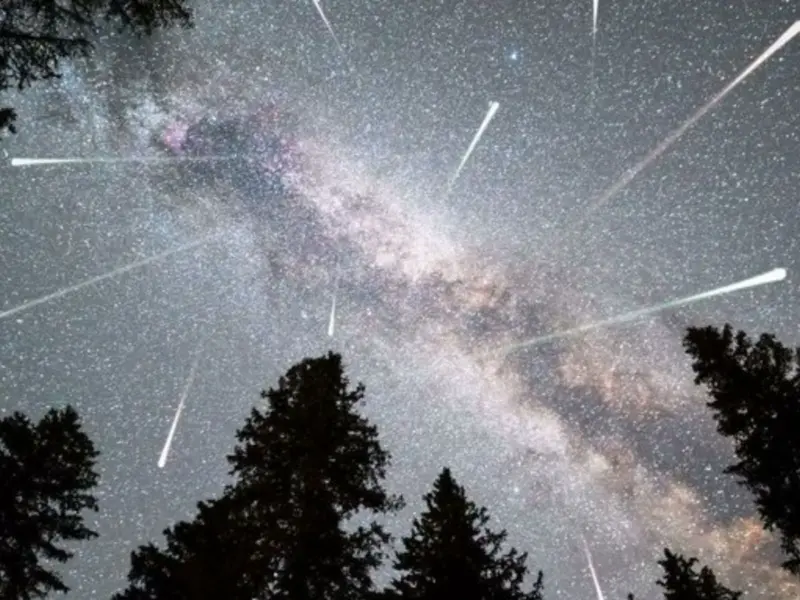

The world's oldest recorded meteor shower is set to return, lighting up the night sky once again. Many skywatchers are now wondering whether they will be able to catch a glimpse of the Lyrid meteor shower this year.
When Will the Lyrid Meteor Shower Be Visible?
According to the Royal Greenwich Observatory, the Lyrid meteor shower will be active from April 16 to April 25, 2026. Like previous years, the display is expected to reach its peak on the night of April 22. This annual event occurs when Earth passes through the trail of debris left behind by the comet C/1861 G1 Thatcher. The Lyrids are considered the oldest known meteor shower, with records dating back to 687 BCE.
Why Is It Called the Lyrid Meteor Shower?
The meteor shower gets its name from the Lyra constellation. From Earth, the meteors appear to originate from this part of the sky, although they are not actually connected to the stars in that constellation.
What Makes the Lyrids Special?
During the shower, meteors travel at speeds of around 30 miles per second. As they enter Earth's atmosphere, the air in front of them gets compressed very quickly, causing intense heat. This process can raise temperatures up to nearly 1,600°C, making the meteors glow brightly as they streak across the sky, creating a stunning visual display.
Best Time to Watch the Lyrid Meteor Shower
The best time to view the Lyrids is in the early morning hours on the peak day, April 22. Meteors are expected to be most visible from around 2 a.m., especially after the Moon has set. At this time, Earth will be facing directly into the stream of debris, increasing the chances of spotting more meteors.
How to Get the Best View
Experts from the Royal Greenwich Observatory recommend watching the meteor shower from a dark location away from city lights, with a clear and open view of the sky. Lying down can also help you see more of the sky comfortably.
They explained: "The number of meteors you actually see will depend on all sorts of things, from the time of night to the level of background light. "A bright sky will drown out the fainter meteors, making them much more difficult to see."
The Lyrid meteor shower offers a rare chance to witness one of the oldest celestial events still visible today. With the right timing and a clear sky, viewers can enjoy a beautiful natural light show in the night sky.