
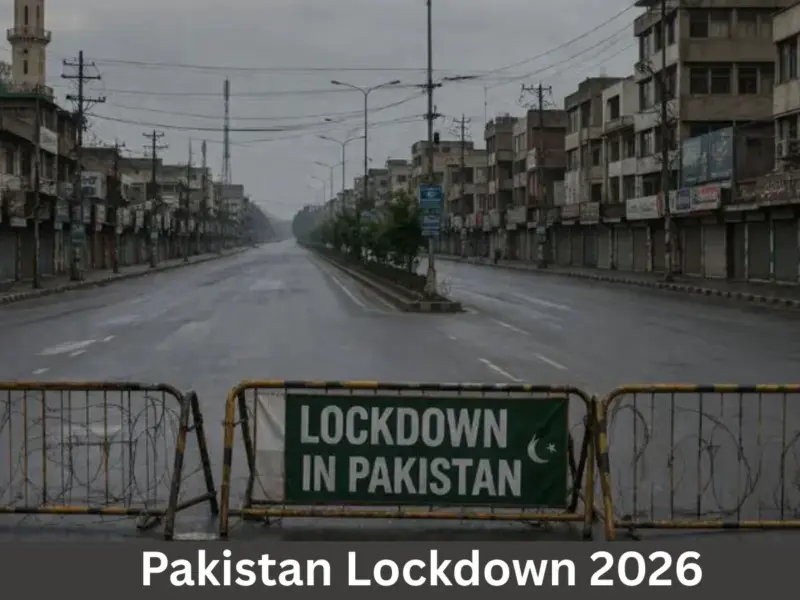

Pakistan Lockdown News: Pakistan has introduced what many observers are calling a "smart lockdown-style" energy control plan, focusing on limiting business hours instead of imposing a full shutdown.
The decision was finalised during a high-level meeting chaired by Prime Minister Shehbaz Sharif, where officials reviewed the worsening fuel situation and the impact of global oil shortages.
Authorities directed markets, shopping malls, and commercial centres across Punjab, Khyber Pakhtunkhwa, Balochistan, Islamabad, Gilgit-Baltistan, and Pakistan-administered Kashmir to close earlier each day to conserve electricity and fuel.
The move comes as Pakistan attempts to reduce fuel consumption during a period of high global prices and supply disruptions caused by the ongoing Middle East conflict.
Pakistan Lockdown News: What is Smart Lockdown?
A smart lockdown is a targeted restriction strategy that limits specific activities rather than shutting down entire cities or regions.
In Pakistan's current case, the smart lockdown focuses on:
- Reducing business operating hours
- Limiting late-night social gatherings
- Controlling electricity and fuel consumption
- Encouraging responsible energy use
Officials believe this selective approach will help manage fuel shortages while allowing essential services and daily activities to continue without major disruption.
Pakistan Lockdown News: Pakistan Smart Lockdown Time
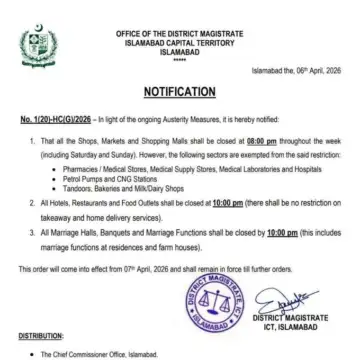
Under the new rules, strict timings have been introduced nationwide.
- Markets and shopping malls: Close by 8 pm
- Markets in divisional headquarters of Khyber Pakhtunkhwa: Allowed until 9 pm
- Restaurants, bakeries, and food outlets: Close by 10 pm
- Marriage halls and wedding events: Must end by 10 pm
- Private home weddings: Not allowed beyond 10 pm
Authorities confirmed that these new timings came into effect from April 7, 2026, and enforcement teams have been directed to ensure compliance.
Pakistan Smart Lockdown: What is open?
Despite strict restrictions, the government has kept essential services running to avoid inconvenience to citizens.
The following services remain open:
- Medical stores
- Pharmacies
- Emergency healthcare services
- Selected essential daily-use services
Officials emphasised that healthcare access remains a priority, and no restrictions will affect medical availability.
In addition, authorities announced temporary relief measures to support citizens. Public transport in Gilgit and Muzaffarabad will operate free of cost for one month, with the federal government covering expenses.
Pakistan Smart Lockdown: What is closed?
Several commercial and social activities will now operate under strict limits.
The following must close early:
- Shopping malls
- Retail markets
- Departmental stores
- Restaurants and cafes
- Wedding halls and marquees
- Private wedding gatherings after 10 pm
These restrictions aim to cut nighttime electricity demand, which typically increases due to lighting and cooling requirements.
Officials also confirmed that enforcement agencies will take action against businesses that fail to follow the new rules.
Smart Lockdown Pakistan 2026 Notification Date
Authorities officially issued the new directives on April 6, 2026, with nationwide enforcement beginning April 7, 2026.
The decision followed consultations with provincial governments and business groups. Several regions, including Balochistan and Khyber Pakhtunkhwa, had already implemented similar measures earlier to manage electricity consumption.
Officials described the move as necessary to handle the ongoing fuel crisis triggered by global supply disruptions and rising energy costs.
Pakistan Lockdown News: Economic Pressure Behind the Move
Pakistan's economy has come under increasing pressure due to rising fuel prices. Government officials warned that imported fuel costs have surged sharply in recent weeks. Energy experts believe that early closures can significantly reduce power demand during peak evening hours, helping conserve fuel and stabilise the electricity supply.
Business groups across several provinces have expressed mixed reactions. While many traders agreed to support the move, others warned it could reduce sales and impact livelihoods.
Pakistan's early market closure policy signals a serious attempt to manage an escalating energy crisis without imposing full lockdown restrictions. Authorities hope that reduced working hours, combined with austerity measures, will slow energy consumption and protect the economy from further shocks.
However, the long-term success of these measures will depend on public cooperation, stable fuel supplies, and improvements in global energy markets.