

Pakistan is facing a severe fuel price crisis as petrol rates surged close to PKR 500 per litre, triggering widespread public anger and economic concerns.
The sudden spike has put pressure on households already struggling with inflation.
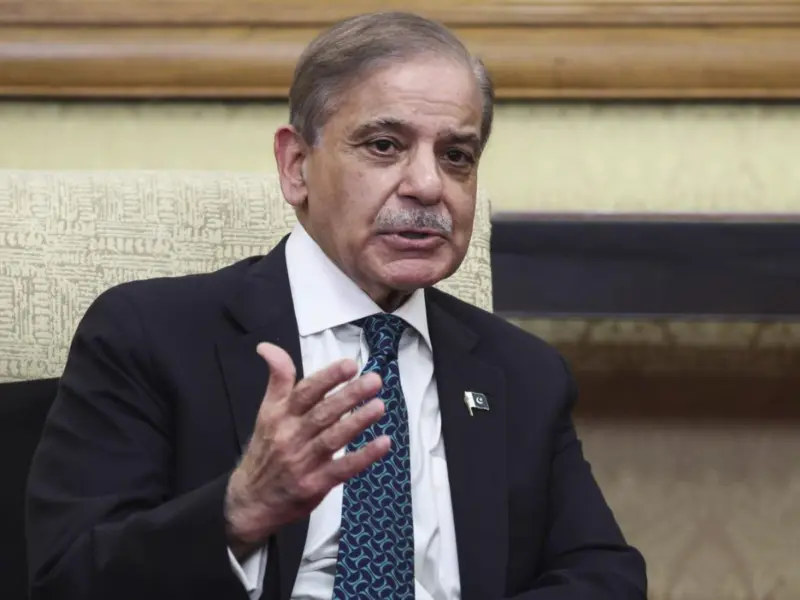
In response, the government moved quickly to ease tensions. Pakistan PM Shehbaz Sharif announced emergency measures, including a sharp reduction in petrol prices and austerity steps targeting the federal cabinet.
These decisions come at a time when global oil supply disruptions and regional conflict are affecting energy markets, making the situation even more challenging for Pakistan.
Pakistan Petrol Price Today: Why Did Prices Rise So Sharply?
Petrol prices in Pakistan saw a dramatic increase within a short period, rising from around PKR 321 per litre to over PKR 458. The hike was driven largely by an increase in government levies and global oil price pressures.
High-speed diesel prices also jumped significantly, crossing PKR 520 per litre. This sharp increase affected transportation costs, goods movement and daily expenses for millions of citizens.
Global factors, including disruptions in oil supply routes and rising tensions in West Asia, played a major role in pushing prices higher.
Pakistan Petrol Price Cut: What Did Shehbaz Sharif Announce?
Facing public backlash, the government reversed course and announced relief measures. Prime Minister Shehbaz Sharif declared a reduction of PKR 80 per litre in petrol prices.
"I am announcing an immediate reduction of PKR 80 per litre in petrol levy," he said, adding that the new price of PKR 378 per litre would take effect from midnight, with petrol available at the revised rate at petrol stations across the country.
He also assured citizens that the new petrol price would remain stable for at least one month, offering temporary relief amid ongoing uncertainty.
'No Salaries for Ministers': What is the Government's Austerity Plan?
As part of broader cost-cutting measures, the government announced that federal cabinet members will not receive salaries for six months. This step aims to show solidarity with citizens facing economic hardship.
Previously, the cabinet had planned a shorter period without salaries, but the government extended it in response to the worsening crisis.
The move is part of an effort to demonstrate financial discipline and reduce government expenditure during a period of economic stress.
Pakistan Fuel Crisis 2026: What Relief Measures Were Announced?
The government also introduced targeted relief measures to support vulnerable groups. Motorcycle users will receive a subsidy of PKR 100 per litre, while goods transport vehicles will get financial assistance ranging from PKR 70,000 to 80,000.
Passenger transport operators are expected to receive up to PKR 1,00,000 in support. Small farmers will also benefit from a subsidy of PKR 1,500 per acre to offset rising fuel costs.
Additionally, authorities confirmed that economy class fares in Pakistan Railways will not increase, helping reduce the burden on low-income travellers.
What Did Shehbaz Sharif Say About Inflation & Fuel Prices?
Prime Minister Shehbaz Sharif defended the government's handling of the crisis and highlighted efforts to protect citizens. "Through careful savings and prudent use of resources, we tried to shield you from the storm of inflation," he added.
"Over the past three weeks, I did not consider it appropriate to pass on the daily increase in oil prices to the public, as I am fully aware of the challenges faced by the common man in making ends meet," he said.
His remarks underline the government's attempt to balance economic pressures with public welfare.
Pakistan Fuel Prices & Global Impact: What Role Did the Strait of Hormuz Play?
The crisis has strong links to global developments, particularly disruptions in oil supply routes. The Strait of Hormuz plays a crucial role in transporting oil worldwide.
Any instability in this region directly impacts global fuel prices. Recent tensions and supply disruptions have driven costs higher, affecting countries like Pakistan that rely heavily on imported oil.
This external pressure has made it difficult for the government to control domestic fuel prices.
What Does This Mean for Pakistan's Economy?
The fuel price surge and subsequent adjustments are likely to have long-term economic effects. Higher fuel costs typically lead to increased prices for goods and services, further fuelling inflation.
While the government's relief measures may provide short-term support, structural challenges remain. Managing inflation, stabilising the currency and ensuring energy security will be key priorities moving forward.
The situation highlights the vulnerability of economies dependent on global energy markets.
What's Next for Pakistan Amid US-Israel-Iran War?
The government's immediate focus will be on maintaining price stability and ensuring fuel availability across the country. Authorities will also monitor global oil trends closely.
Further policy changes may be introduced depending on how the international situation evolves.
For now, the combination of price cuts, subsidies and austerity measures reflects an urgent attempt to manage a rapidly escalating economic challenge.