




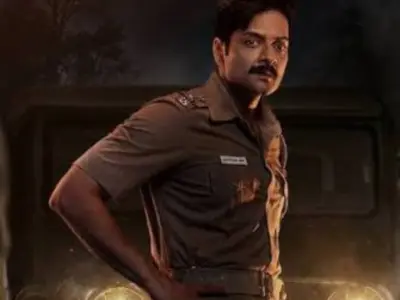

The arrival of Raakh on Prime Video has revived interest in a case that once brought an entire nation to a standstill. Starring Ali Fazal and Sonali Bendre, the series revisits the infamous Ranga-Billa murders, a crime so brutal that it remains one of the darkest chapters in India’s criminal history.
Long before 24-hour news cycles and social media outrage, the abduction and murder of siblings Geeta and Sanjay Chopra dominated headlines across the country. The case sparked public anger, exposed failures in policing, and eventually became a landmark moment in discussions around capital punishment in India.
Nearly 50 years later, the story continues to resonate because of the extraordinary courage shown by the two teenagers in the face of unimaginable violence.
Who Were Geeta And Sanjay Chopra?
Geeta Chopra, 16, and her younger brother Sanjay Chopra, 14, were the children of Indian Navy officer Captain Madan Mohan Chopra. The family lived in Delhi’s Dhaula Kuan area, then home to several defence personnel. By all accounts, the siblings were bright, disciplined and talented students. Geeta studied at Jesus and Mary College, while Sanjay attended Modern School. Both had a keen interest in public speaking and broadcasting.
On the evening of August 26, 1978, the siblings left home to participate in Yuv Vani, a popular youth programme broadcast by All India Radio. It was supposed to be an ordinary outing. They never reached the studio.
When their parents tuned in to listen to the programme later that evening, they realised something was wrong. A frantic search followed, eventually leading to a missing persons complaint. What began as a worrying disappearance soon turned into one of India’s most horrifying criminal investigations.
What Happened On The Night Of The Kidnapping?
According to court records, two criminals, Kuljeet Singh alias Ranga and Jasbir Singh alias Billa, were driving around Delhi in a stolen vehicle with a fake number plate. The pair had reportedly planned to kidnap children for ransom. Spotting Geeta and Sanjay looking for transportation, they offered them a lift. The teenagers accepted. Investigators later established that the siblings were held captive for several hours. When the kidnappers realised their victims were the children of a naval officer rather than members of an affluent business family, their ransom plan began to unravel.
What followed was an ordeal that shocked even seasoned investigators. Court documents and witness testimonies revealed that the siblings resisted fiercely. Several witnesses later reported seeing a struggle inside the vehicle and around parts of central Delhi. One witness even attempted to follow the car before alerting police. Years later, courts would note that quicker police intervention might have altered the outcome.
Why Did The Case Shock India?
The murders were not just brutal; they revealed the extraordinary courage of the victims. Evidence presented during the trial showed that both Geeta and Sanjay fought their attackers despite overwhelming odds. Their resistance reportedly left injuries on the accused, including wounds that later became crucial pieces of evidence. The bodies of the siblings were discovered near Delhi’s Ridge area on August 28, 1978.
Post-mortem reports revealed multiple injuries, and the details that emerged during the investigation horrified the nation. Newspapers carried extensive coverage, while public anger mounted against both the perpetrators and perceived lapses in law enforcement. The case quickly became a national issue, with demands for swift justice growing louder each day.
How Were Ranga And Billa Caught And Convicted?
After the murders, Ranga and Billa managed to evade authorities for several weeks. Their escape ended on September 8, 1978, when they were arrested while attempting to travel by train. Investigators were able to link them to the crime through witness accounts, forensic evidence and medical records. One particularly significant piece of evidence involved treatment received by Billa for injuries sustained during the struggle with the Chopra siblings. Investigators matched hospital records and fingerprints, strengthening the prosecution’s case.
In 1979, the Delhi High Court convicted both men on charges including kidnapping and murder. The Supreme Court later upheld the verdict, describing the crime in exceptionally strong terms and affirming the death penalty. The convicts’ mercy petitions were subsequently rejected. On January 31, 1982, Ranga and Billa were executed at Tihar Jail.
What Legacy Did Geeta And Sanjay Chopra Leave Behind?
The Chopra case left a lasting impact on India. It became one of the most cited examples in discussions surrounding the “rarest of rare” doctrine in death penalty cases. The investigation also prompted conversations about police response systems and public safety. More importantly, Geeta and Sanjay came to be remembered not merely as victims but as symbols of courage.
In recognition of their bravery, both siblings were posthumously awarded the Kirti Chakra. The Geeta Chopra Award and Sanjay Chopra Award continue to honour children who demonstrate exceptional courage and selflessness. Nearly half a century later, the story remains etched in India’s collective memory, not only because of the brutality of the crime, but because of the remarkable bravery shown by two young lives that refused to surrender without a fight.